
Prevention checklists
Hurricane Season Home Checklist
By Dal Beggs, founder and owner of 1 Call Restoration. Published November 1, 2026. Updated November 1, 2026.
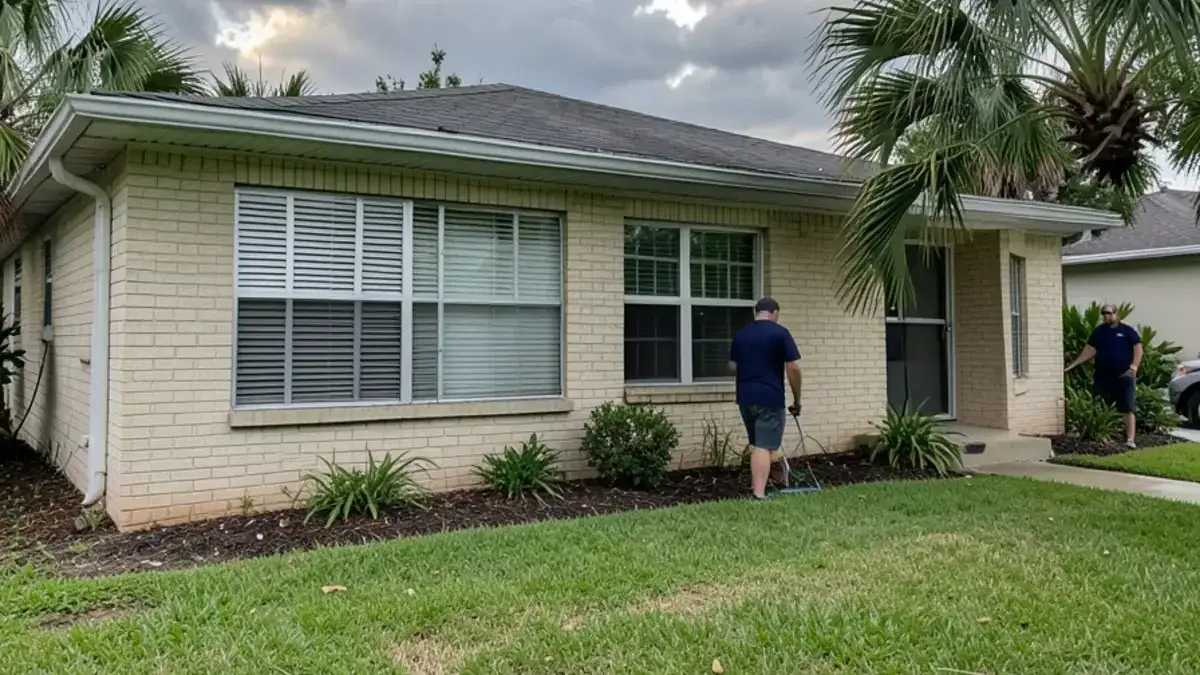
A hurricane preparation checklist for a Florida home runs in stages: before June 1, when a storm is forecast, if you leave, and when you return. Official guidance comes first, so follow FEMA, the Florida Division of Emergency Management and St. Johns County Emergency Management above anything here. We add what a water damage crew wishes people had done.
Before June 1: the pre-season list
Do this list in spring, while stores are calm and contractors have time. The National Hurricane Center puts the Atlantic season at June 1 to November 30, and the work below is hard to finish once a storm has a name.
- Look up your zone with the county's My Evacuation Zone locator.
- Sign up for Alert St. Johns, the county's emergency notification system.
- Write a household plan, including where you would go and who needs extra help.
- Pre-register for a Special Medical Needs shelter if someone at home needs one. The county requires it.
- Build a kit. The Florida Division of Emergency Management says to plan for up to seven days of food, water and medications.
- Ask your agent about your hurricane deductible and any flood policy.
- Save insurance policies and ID in a secure digital folder, as Ready.gov advises.
- Repair loose soffits, failed window seals and gaps around exterior penetrations.
- Stock tarps, batteries and small fuel cans. A 2025 Florida tax law made these exempt from sales tax, with limits on size.
Do not leave the flood question for later. FloodSmart says National Flood Insurance Program coverage typically starts 30 days after purchase, so buying it after a storm forms is usually too late. Your agent and your policy wording will settle what you have.
Storm water got inside? Call about drying and tarping.
Open 24 hours for emergencies. Non-emergency calls are best between 7am and 7pm.
- 5.0 on Google, 8 reviews
- Family owned since 2020
- Calls go straight to the owner
- Free assessments and estimates
A hurricane preparation checklist by the calendar
Tie each job to a date, because the National Hurricane Center's own climatology shows when the risk builds. Set these as phone reminders once and repeat them every year.
| Date | Do this | Why then |
|---|---|---|
| By May 1 | Settle any flood policy question with your agent | The 30-day wait has to end before June 1 |
| By June 1 | Finish the pre-season list | The Atlantic season opens |
| Mid to late June | Replace anything you used from the kit | The first named storm usually forms about now |
| Early August | Clear gutters and test the main water shutoff | The first hurricane tends to form in early to mid-August |
| By mid-August | Retake the photo record, refresh medications and documents | Most activity falls between mid-August and mid-October |
| September 10 | Confirm shutters, hardware and your route are ready | The center's date for the peak of the season |
| October and November | Keep the kit full and watch the tide tables | Late storms have reached this coast, and king tides run high |
| November 30 | Restock, and write down what ran short | The season closes, so next year's list starts here |
Do not stand down in October here. Matthew came through in October 2016, and Nicole's surge in November 2022 inundated places the National Weather Service lists by name, Butler Beach among them. The City of St. Augustine also posts king tide dates for the fall, so a late storm can arrive on water that is already high.
When a storm is in the forecast
Start this list as soon as officials begin talking about your area. If you live near the water, such as Butler Beach, your window to leave may close earlier than the wind suggests.
- Follow local officials, and leave promptly if they order an evacuation.
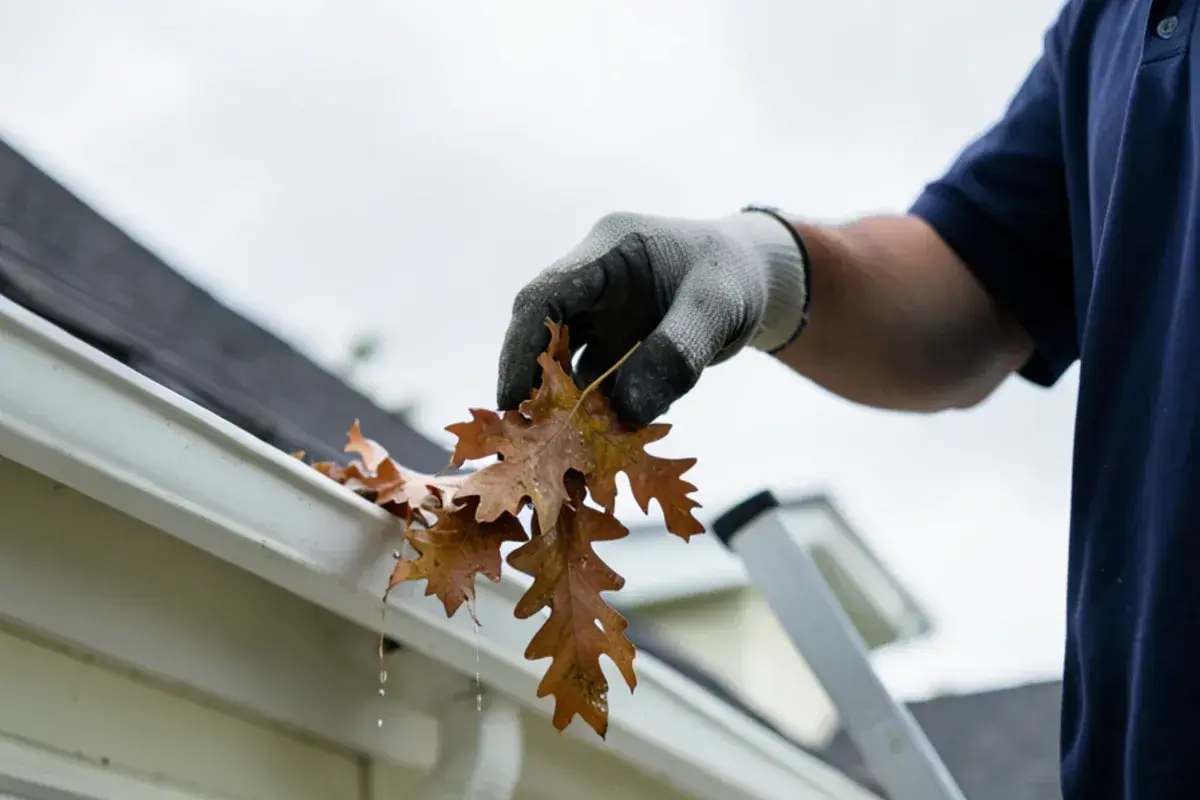
- Clear gutters and drains, and bring in outdoor furniture.
- Install shutters or panels on openings facing the weather.
- Charge phones and backup power banks.
- Fill prescriptions and vehicle fuel tanks, and keep some cash on hand.
- Check on older neighbors, as Ready.gov suggests.
- Move rugs, boxes and electronics up off the ground floor.
Watch, warning and the last safe hour
Your deadline is the arrival of tropical storm-force winds, not landfall. The National Weather Service says it may not be safe to prepare once those winds reach you, and it times its alerts from that point.
| Alert | What it means | What should be done |
|---|---|---|
| Hurricane watch | Issued 48 hours before those winds are anticipated | Shutters up, yard cleared, fuel and prescriptions filled |
| Hurricane warning | Issued 36 hours before those winds | All preparations complete, and leave at once if ordered |
| Storm surge watch or warning | Life-threatening inundation possible, or a danger | Check for an evacuation order for your zone |
St. Johns County calls evacuations by zone, and it says to evacuate early if your home might be unsafe in a hurricane. It also prefers that you stay with a friend or relative inland, or at a hotel, over a shelter. Shelter openings are announced once an order goes out, and the school that opens may not be your nearest one.
Photograph the house before the storm
A pre-storm photo record is worth twenty minutes, because it shows the condition of the home before anything went wrong. Take dated video, walking slowly, and store it somewhere away from the house.
| Area | What to capture |
|---|---|
| Exterior | All four sides, soffits, fence, windows and doors |
| Ceilings | Every room, including any existing stains |
| Floors | Wood, tile and carpet, especially near exterior doors |
| Utility spaces | Water heater, air handler and electrical panel |
| Valuables | Serial numbers on electronics and appliances |
Existing stains belong in the record too. They separate an old mark from a new one.
If you leave home
Take five minutes on the way out to reduce what water can do while you are gone. Do these only if you have time and officials have not told you to go immediately.
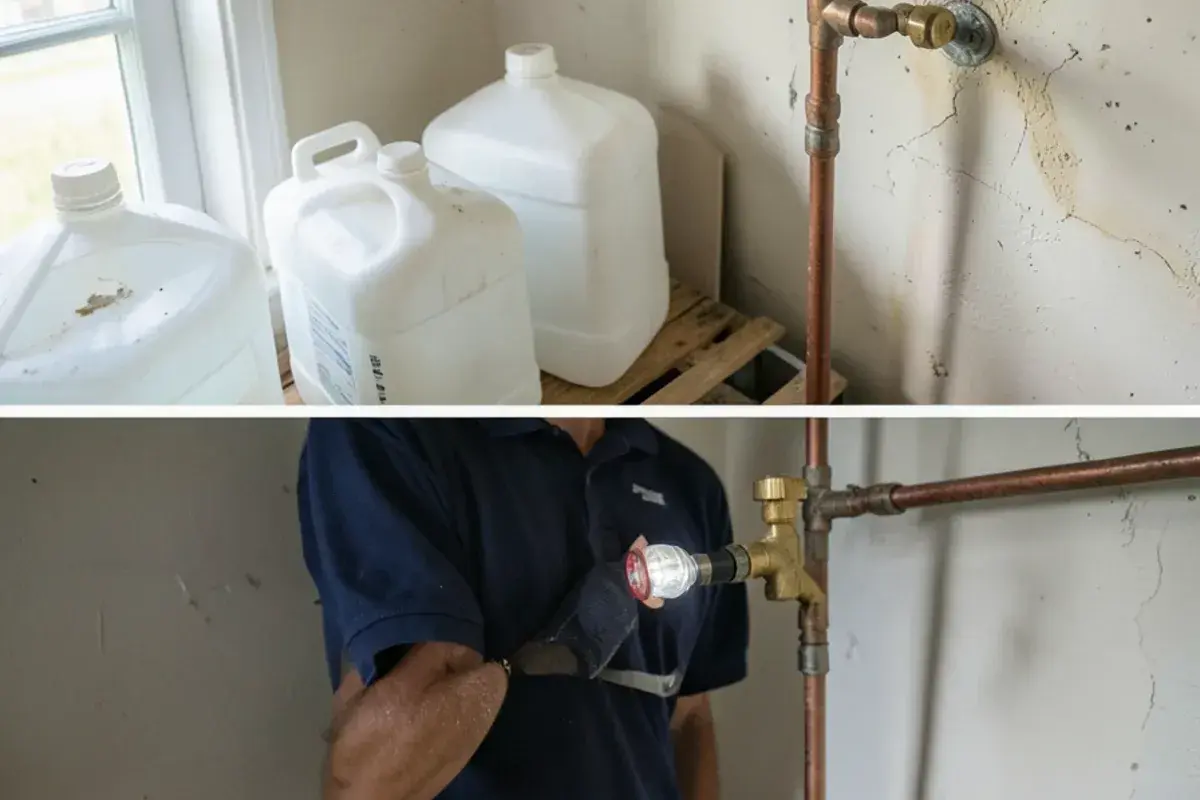
- Close the main water shutoff if nothing in the home depends on it.
- Turn off the breaker for the water heater, as its label directs.
- Unplug electronics, and lift what you can up off the floor.
- Tell someone where you are going, as St. Johns County advises.
- Take your documents, your medications and your phone charger.
Coming home after the storm
Wait until officials say your area is safe, and treat the house as a hazard until you have looked it over. Ready.gov warns against floodwater, which may contain pathogens, debris, chemicals or downed power lines.
- Stay out of standing water and away from wet electrical equipment.
- Turn off power at the main breaker only if it is safe to reach.
- Run any generator outdoors. The CDC says to keep it more than 20 feet from windows, doors and vents.
- Photograph all damage before you move or clean anything.
- Contact your insurer. Florida Statute 627.70132 sets a one-year notice deadline, and for hurricanes the date of loss is landfall. Your policy and adjuster decide the rest.
- Keep damaged items for your adjuster unless they are a hazard, and photograph anything that has to go.
Floodwater is Category 3 water. Do not mop it up, and do not walk it through the rest of the house.
Our rules for keeping storm water out of the structure
Water rarely enters a house through one big opening. It tends to come through small gaps pushed by wind, so these are the rules we would add to any plan:
- Watch the windward side first, since wind-driven rain gets past seals that hold in normal rain.
- Treat a wet ceiling as a sign of water above it, and keep people out from under it.
- Cover an opening as soon as conditions are safe, because each rain adds to the job.
- Pull wet rugs and furniture away from walls, so air can reach the base of the wall.
- Start drying early. The outdoor air after a storm is wet, so closed rooms and LGR dehumidifiers matter more than open windows.
If time runs short, work in this order
Nobody finishes the whole list with a storm closing in. We would rank the remaining jobs by how much water each one keeps out of the structure:
- Cover the openings on the weather side, because one failed window lets rain and wind into the ceilings.
- Close the main water shutoff if you are leaving and nothing depends on it.
- Lift papers, electronics and rugs, since those are what floor-level water ruins first.
- Clear the drains and gutters you can reach from the ground.
Each of these has a limit. Sandbags slow water at a door and do not seal it, and surge or flood water can still come up through the slab edge and low walls. Shutters protect glass, and they do nothing for a soffit vent. Leave the ladder alone once the wind has started, because a clogged gutter is cheaper than a fall.
Run the list by the calendar, and call if water gets in
Most of this work costs a few hours spread across the months before the peak, and that is the whole trade. Dated reminders, your zone, a current photo record and a shutoff you have tested will carry you through most of what a season asks of a house. Official orders outrank every line here.
We handle emergency tarping and board-up, then storm water cleanup and interior drying. If the storm has left water inside your home, call us about hurricane damage cleanup once it is safe to return. The call goes straight to the owner, and we will come assess the damage and give you an estimate.
Frequently asked questions
When does the Atlantic hurricane season start and end?
The Atlantic hurricane season runs from June 1 to November 30, according to the National Hurricane Center. The center puts the peak on September 10, with most activity between mid-August and mid-October, and it says storms sometimes form outside those dates. Treat the dates as a guide, keep your kit stocked and your documents current until the season has fully closed, and keep watching the forecast after it.
How do I find my evacuation zone in St. Johns County?
Use the county's My Evacuation Zone locator, which works from your street address. St. Johns County labels zones A through F, with Zone A covering most low-lying coastal and river areas and Zone F along the St. Johns River. Do not guess from a neighbor's answer or from how far you sit from the beach, and sign up for Alert St. Johns while you are there.
Should I shut off the water before evacuating for a hurricane?
Closing the main before you leave limits how much water a broken supply line can release while nobody is home. Follow any instruction from local officials first. Check that nothing depends on that supply, such as a fire sprinkler system, and turn off the water heater as its label directs. Condo owners should close only the unit valve, and they should follow the association's storm plan.
Back home to wet floors? Call and we will start with the water.
Open 24 hours for emergencies. Non-emergency calls are best between 7am and 7pm.
- 5.0 on Google, 8 reviews
- Family owned since 2020
- Calls go straight to the owner
- Free assessments and estimates
1 Call Restoration, Saint Augustine, FL. (208) 464-4194.
Related services: Hurricane Damage Cleanup, Emergency Board Up and Tarping, Storm Damage Restoration. Serving Butler Beach and the rest of our service area.
Sources
- National Hurricane Center, Tropical Cyclone Climatology
- Ready.gov, Hurricanes
- Florida Division of Emergency Management, Florida Preparedness Month release
- St. Johns County, Evacuation Information
- St. Johns County, Emergency Management
- FloodSmart, Buy a Flood Insurance Policy
- CDC, What to Do to Protect Yourself During a Power Outage
- National Weather Service, Hurricane Watches and Warnings
- National Hurricane Center, Hurricane Matthew report
- National Weather Service Jacksonville, Nicole post-storm report
- City of St. Augustine, King Tide
- Florida Senate, HB 7031 bill summary, Taxation, 2025