
What counts as a hurricane emergency?
Treat these as emergencies and call now. Anything else still needs a call, but it can follow these in the order of work.
- Water still coming in through the roof, a window or a door
- Surge or sewage inside rooms where people are living
- Standing water anywhere near outlets or the panel
- A ceiling that sags or has started to drop
- A home closed up for days with wet floors, since the CDC says to assume mold in that case
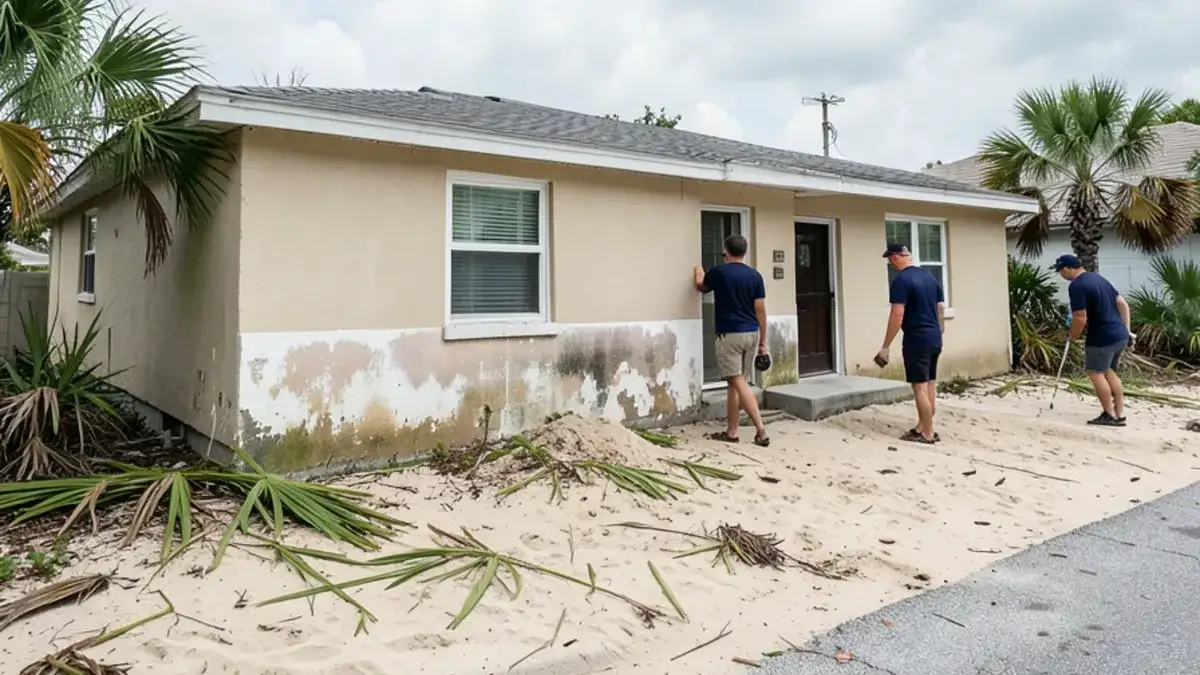
Hurricanes do not need a direct hit to do this. The St. Augustine Historical Society records that Matthew passed about 30 miles offshore in October 2016, yet surge and nearly ten inches of rain flooded all seven of the city's historic districts.
Inland homes are not off the list. During Milton in 2024, News4Jax reported the Matanzas River over the seawall and into downtown, with water at least half a mile inland, and more than five feet of water south of SR 206 near Flagler Estates and Hastings.
Before you go back in
Wait until officials say your area is safe. Then go through the house slowly, and keep this order.
- Look at the outside first for structural damage, downed lines and gas smell.
- Treat every downed line as live and report it.
- If you smell gas, leave and notify the gas company or fire department.
- Shut off main power only from a dry place. The CDC says never touch power while standing in water.
- Photograph every room before cleanup, as the City of St. Augustine advises.
- Stay out of standing water. It may hold sewage, chemicals and sharp debris.
- Keep generators outdoors, at least 20 feet from doors, windows and vents.
Do not turn utilities back on until connections are inspected. If you are unsure, wait for a professional. The city's after a storm page lists current utility and helpline contacts.
How we prioritize hurricane damage cleanup
We work a damaged home from the worst hazard down. When you call, we ask about water, power and people before anything else.
- Stop the water. Tarps and boards go first where they are needed. See emergency board up and tarping.
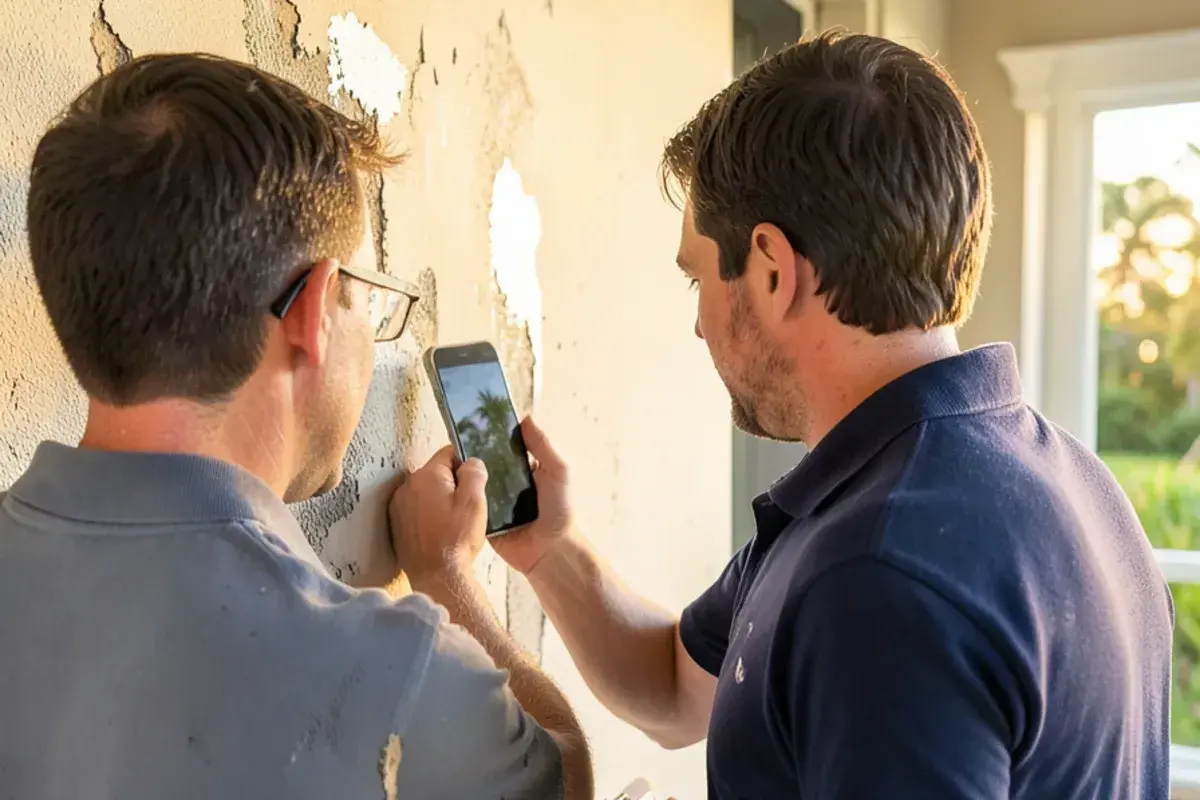
- Record the loss. We take photos before demolition, start the moisture map and set the category, with surge and floodwater getting Category 3 handling.
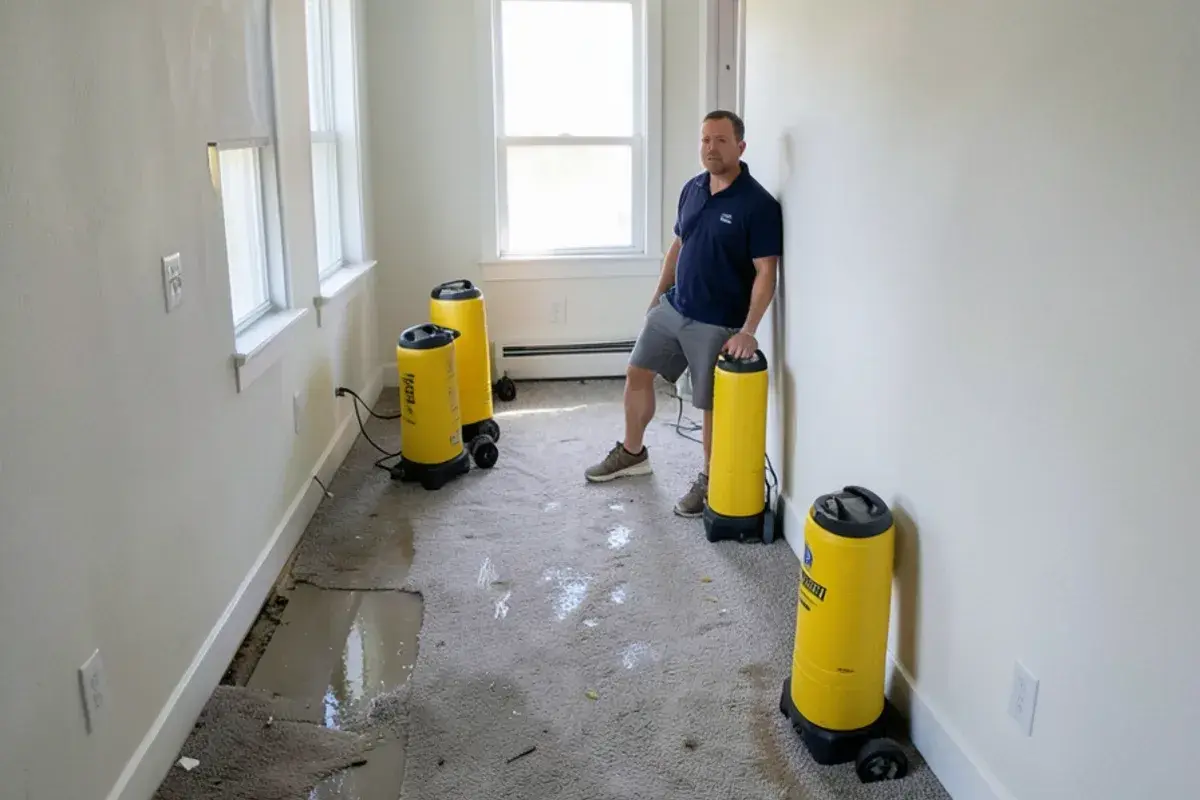
- Extract. Pumps and extractors take out standing water and soaked carpet.
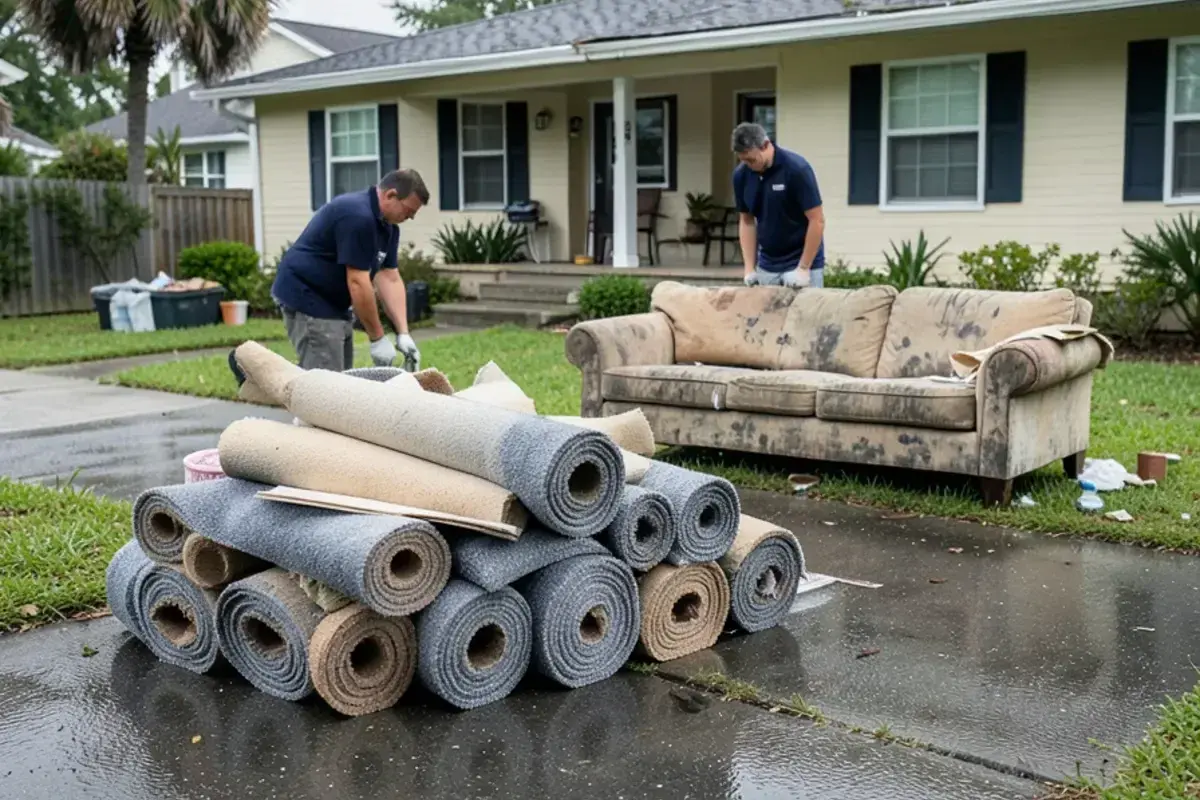
- Remove and clean. Wet carpet, pad, insulation and drywall come out, with flood cuts where walls took water. Mud and silt follow, and antimicrobial goes on where needed.
- Dry. Air movers and LGR dehumidifiers start once power is steady.
- Prove it. Daily readings continue until materials match the dry standard.
What the cleanup includes
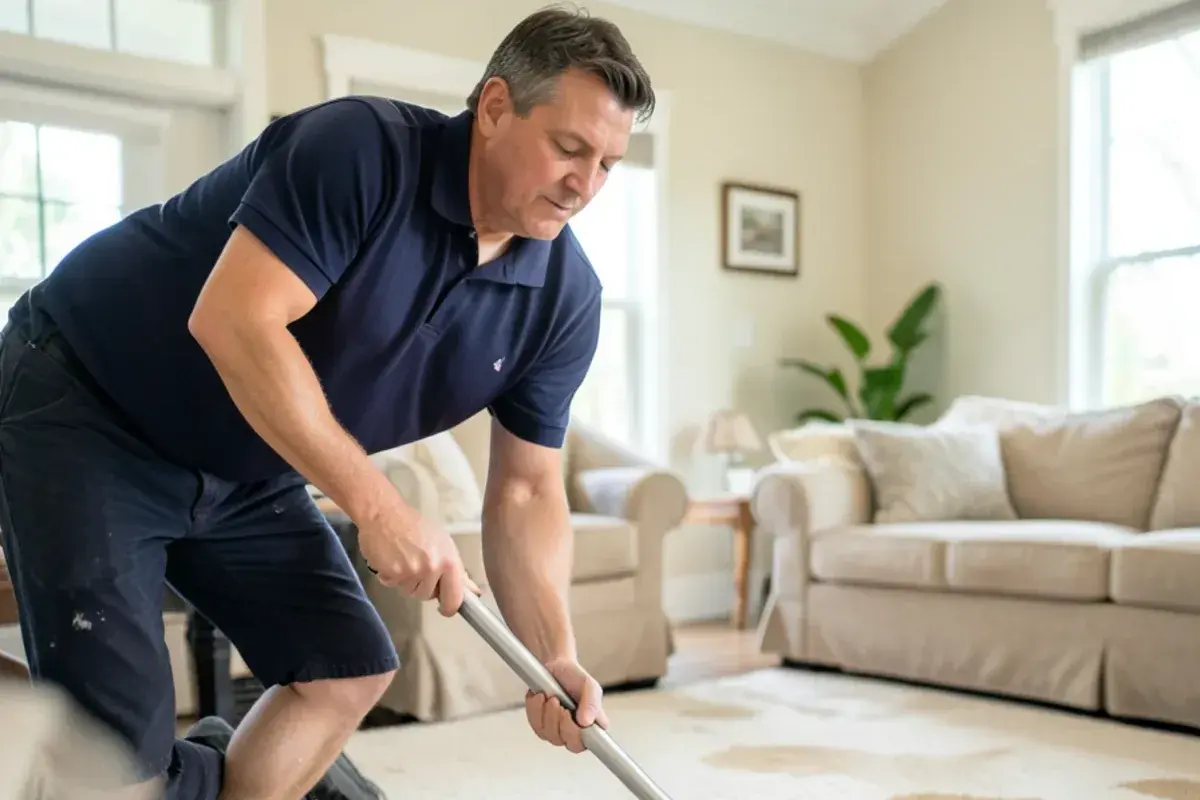
Our part is the inside of the house, from the first emergency cover to the day the readings pass. A hurricane home rarely has one kind of water. One job can mix Category 3 surge at floor level with cleaner rain in the ceilings, so we scope each room for what actually reached it.
Days closed up count as much as water depth. A house shut for a week without power starts from a different place than one opened right after landfall, so we note how long it sat and look for growth before drying begins. If growth passes 10 square feet, Florida treats that work as licensed mold remediation.
Repairs follow drying. Roofs go to a roofer, structural work goes to a suitable licensed contractor, and we scope and sequence the drywall, paint and flooring around them.
- Temporary tarps and boards over openings
- Extraction of surge and rain water
- Tear-out of wet carpet, pad, insulation and drywall
- Removal of mud, silt and sand
- Air movers, LGR dehumidifiers and HEPA air scrubbers
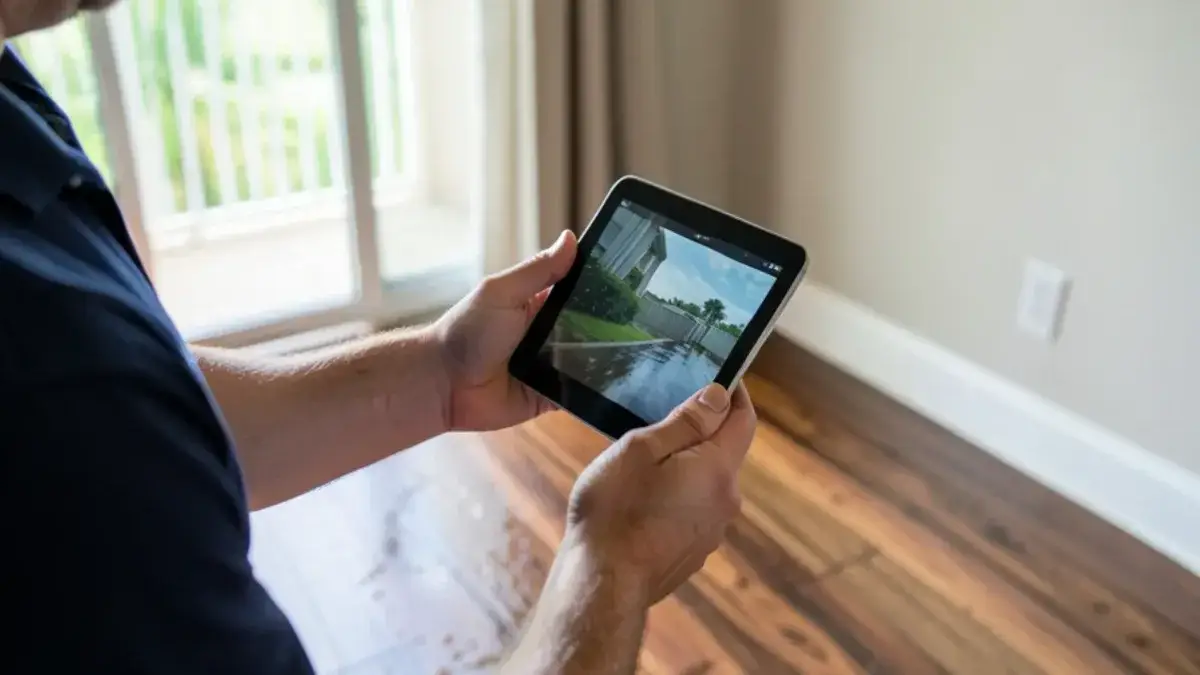
- A moisture map, a photo record and daily readings
Back after the storm and the floors are wet? Call the owner
Open 24 hours for emergencies. Non-emergency calls are best between 7am and 7pm.
- 5.0 on Google, 8 reviews
- Family owned since 2020
- Calls go straight to the owner
- Free assessments and estimates
Request a free estimate
Not an emergency? Send the details and we will call you back. If water is still moving, call instead.
How do surge, rain and wind damage differ?
Most storm-hit homes have more than one kind, and each needs its own scope. Sort them early, because each one calls for a different trade and a different order of work.
| Damage | What we usually see | What it needs |
|---|---|---|
| Storm surge | Mud line, sand, Category 3 water at floor level | Tear-out, cleaning, disinfecting, drying |
| Rain through an opening | Wet ceilings, insulation, upper walls | Temporary cover, cavity drying or flood cut |
| Wind damage | Lost shingles or panels, broken glass, doors out of frame | Boards or tarp first, then a roofer or glazier |
Here, surge is the one to fear on the river as well as the coast. In Davis Shores, News4Jax reported a 7-foot surge in Matthew. During Irma in 2017, the Historical Society notes a 3.3-foot surge at Vilano Beach and 15.39 inches of rain. Rain alone can flood a home that surge never touches.
Where we respond after a major storm
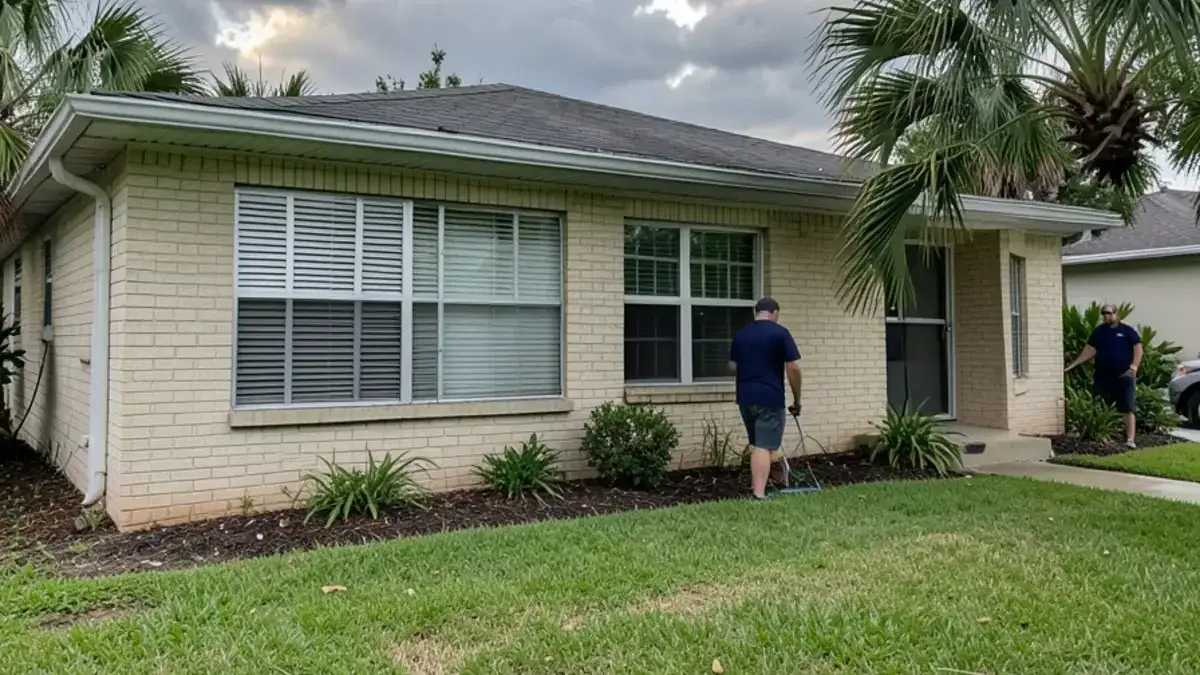
Our area is six counties: Duval, St. Johns, Clay, Putnam, Flagler and Volusia. Vilano Beach, St. Augustine Beach, Crescent Beach and Ponte Vedra Beach sit where wind and surge arrive together.
Roads decide what is possible. During Milton in 2024, News4Jax reported more than 20 impassable roads around high tide, and the Bridge of Lions closed twice. So we tell you honestly what access looks like when you call, and we do not give an arrival number we cannot keep.
How are estimates handled after a hurricane?
The estimate comes first. You see the scope and the price before we start the work. The assessment costs you nothing on a water damage project, and there is no sales pressure.
The main factors are the water category, wet square footage, days the home sat closed, equipment days, access and disposal. Ask any company to show you the same detail.
Each factor has a local reason. Surge usually means more tear-out than rain, because porous materials touched by Category 3 water come out. Days closed up add cleaning if growth has started. A home without power may have to wait for drying, and access changes when A1A or a bridge closes. Disposal grows with the curb pile, and the City says to follow County and City debris instructions and not to mix types.
Before you sign a storm repair contract with anyone, the City points residents to the state Department of Financial Services helpline. Report extreme price increases to the Attorney General. Both numbers are on the city page linked above.
Claim dates and permits to keep in view
Write down the date of loss. Under F.S. 627.70132, notice of a claim or reopened claim is due within 1 year of the date of loss, and a supplemental claim within 18 months. For a hurricane, the statute sets the date of loss at landfall. Flood policies are separate and have their own terms. In every case, your policy wording and your adjuster decide.
We provide the record: a photo set, moisture logs, equipment logs and the itemized estimate. Our claim documentation page shows what that looks like. We explain our own estimate, but we do not interpret policies or negotiate. Under F.S. 627.7152(13), a policy issued since January 1, 2023 does not allow post-loss benefits to be assigned, so we never ask for that. An attorney, a licensed public adjuster or your insurer can answer coverage questions.
Inside St. Augustine city limits, the storm guide says tear-out and temporary tarps need no permit, but drywall and structural repairs do, and storm permits are to be expedited. Homes in a flood zone have one more rule to check, so read our notes on the substantial damage rule before you plan repairs. Ask any company for its license number and check it on the DBPR site, ours included.
Why 1 Call when everyone is calling
After a storm, you will see a lot of unfamiliar companies. Here is what you get with us:
- A local, family-owned company founded in 2020, not a storm crew passing through
- Calls that go straight to the owner, Dal Beggs
- A plain answer on when we can get to you
- Written scope before heavy work starts
- Daily moisture readings you can see for yourself
- Free assessments and estimates, with no high-pressure sales
- Open 24 hours for emergencies, with other calls best between 7am and 7pm
We are based in St. Johns County, so our roads and bridges are part of the same storm as yours. That is why you hear about access on the first call.
What customers say
5.0 stars on Google from 8 reviews. Quoted as written.
“Very impressive service. Dal and his team responded to our call immediately and were out the same day to begin the remediation process. Would highly recommend 1Call Restoration.”
“Dal and his son are so compassionate and truly care about the human and do everything in their power to help your house back to normal. They were punctual and even showed back up to the house with any questions etc, I was very pleased with them and would recommend them to anyone who wants someone honest in this industry that unfortunately doesn’t have many honest companies in it. Dal and his crew have a customer life with us anytime we need their services.”
“I recently had the pleasure of working with 1 Call Restoration, led by owner Dal, and I couldn’t be more impressed. Dal’s expertise in restoration services is evident from the moment you engage with him; he possesses a deep understanding of the industry and provides practical solutions tailored to individual needs. His professionalism shines through in every interaction, as he maintains clear communication, sets realistic expectations, and follows through on commitments. What truly sets Dal apart is his unwavering trustworthiness—he approaches each project with integrity and transparency, ensuring that clients feel valued and informed throughout the process. I highly recommend 1 Call Restoration for anyone seeking reliable and skilled restoration services.”
Frequently asked questions
Can you dry a house with no power after a hurricane?
Extraction and tear-out can start before power returns if the home is safe, and drying follows once equipment can run. Air movers and dehumidifiers need steady power, so we plan around the outage. If a generator is involved, the CDC says keep it outdoors at least 20 feet from doors, windows and vents, with a battery carbon monoxide detector.
I evacuated and cannot get back yet. What can I do?
Call us and your insurer from where you are, and tell us the address and what you know. Do not travel back until officials say it is safe, and expect closed roads near the coast. Ask a neighbor for photos if one is already home. Note the date you left. Your home's closed-up days affect how we plan.
Do I need to wait for the adjuster before cleanup starts?
Ask your insurer, and photograph everything now either way. We take photos before demolition and keep moisture logs so the condition of the home is on record. Your policy wording and your adjuster decide how the insurer wants this handled. Standing water and wet materials keep doing damage while you wait, so make that call early.
What about the sand and silt left inside after surge?
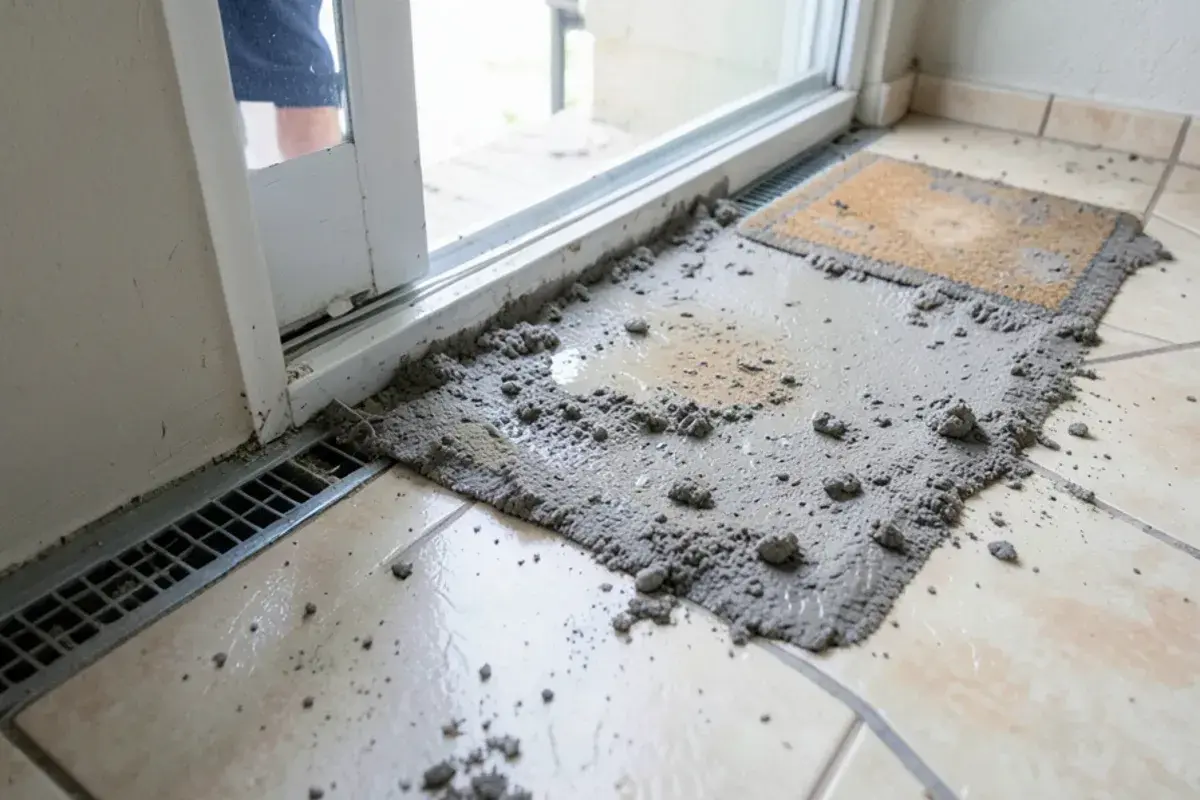
Treat it as contaminated, not as beach sand. The CDC warns that floodwater can carry sewage and chemicals, so we remove it with the wet materials, not with a household vacuum. Do not sweep it dry. It also hides in tack strips, door tracks and wall bases, so we check those before any drying starts.
Should I turn the AC back on when the power returns?
Not if water reached the unit, the air handler or the ductwork. The CDC says to have an HVAC system checked by an experienced professional before you run it after flooding. Ducts that took surge water can spread contamination through dry rooms. If no water got near the system, running it can help control humidity.
How do you decide which homes come first?
We sort by hazard and active damage, so water still entering and contaminated water in lived-in homes rank high. Call early and give us the honest picture, including any elderly residents or medical needs. We will tell you plainly where you stand. Calls go straight to the owner, so the answer comes from the person planning the work.
Evacuated and worried about the house? Tell us what you know
Open 24 hours for emergencies. Non-emergency calls are best between 7am and 7pm.
- 5.0 on Google, 8 reviews
- Family owned since 2020
- Calls go straight to the owner
- Free assessments and estimates
1 Call Restoration, Saint Augustine, FL. (208) 464-4194.
Related services
Worth reading
Where we handle hurricane damage cleanup
See all of our service areas.