
Commercial and property managers
Who Pays When a Condo Leak Damages the Unit Below?
By Dal Beggs, founder and owner of 1 Call Restoration. Published November 1, 2026. Updated November 1, 2026.
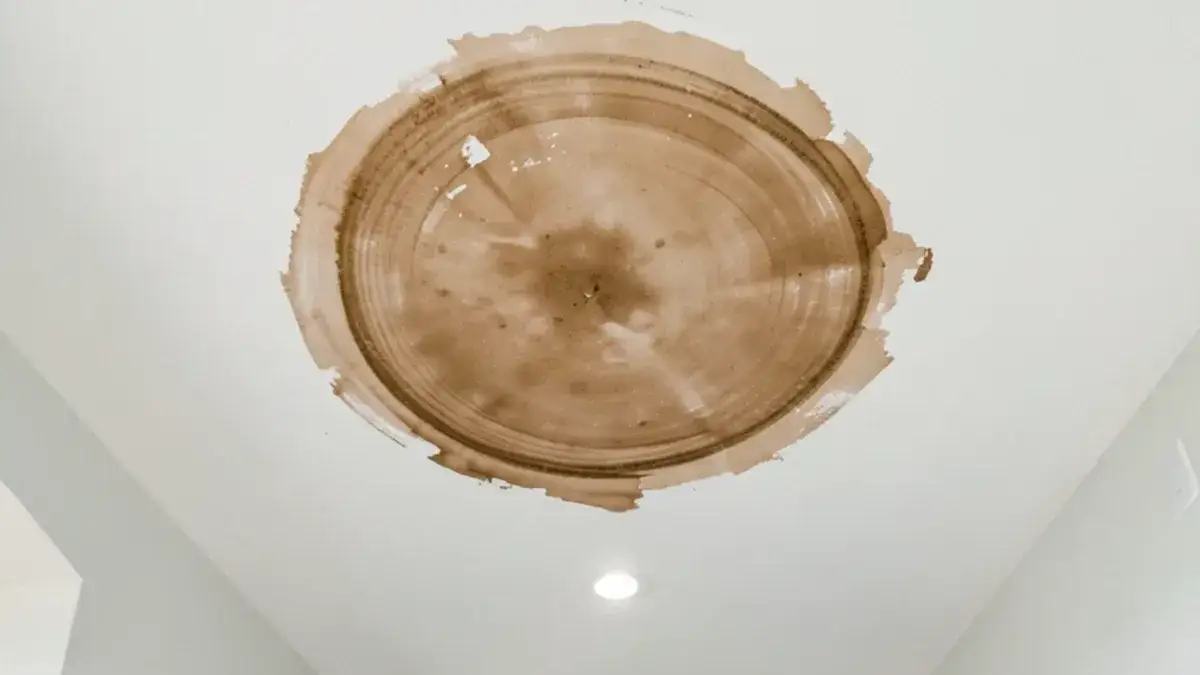
In a condo leak, who pays depends on what got wet, why it happened and what the governing documents say. Florida Statute 718.111(11) splits responsibility between the association's insurance and each unit owner's, and negligence can shift uninsured costs. The association documents and the insurers decide your case, so read this as general education.
Who pays for a condo leak under Florida law?
No single party pays for every condo leak. Florida's condo law sets a framework, and the outcome depends on the item damaged, the cause and the documents your community operates under.
Three questions shape the answer:
- What was damaged: the building as originally installed, or the unit's finishes and contents?
- Was it an "insurable event" under the association's coverage?
- Did someone's negligence or rule violation cause it?
We are a water damage company, not an insurance adviser. Under F.S. 489.147 we cannot interpret policies or advise on coverage, so everything below is general education drawn from the statute. The questions on your own loss go to your insurer, the association, a licensed public adjuster or an attorney.
Ceiling wet from the unit above? Start the drying now.
Open 24 hours for emergencies. Non-emergency calls are best between 7am and 7pm.
- 5.0 on Google, 8 reviews
- Family owned since 2020
- Calls go straight to the owner
- Free assessments and estimates
Which parts does each side insure?
The statute draws the line by the kind of property, not by which unit the water came from. Under F.S. 718.111(11)(f), the association's policy must provide primary coverage for the condominium property as originally installed. It must exclude a specific list of items, and the statute calls those items the unit owner's responsibility.
| Item | Where F.S. 718.111(11)(f) points |
|---|---|
| Building as originally installed, per the original plans | Association's policy |
| Alterations made under s. 718.113(2) | Association's policy |
| Floor, wall and ceiling coverings | Unit owner |
| Electrical fixtures, appliances, water heaters, water filters | Unit owner |
| Built-in cabinets, countertops, window treatments | Unit owner |
| Personal property in the unit | Unit owner |
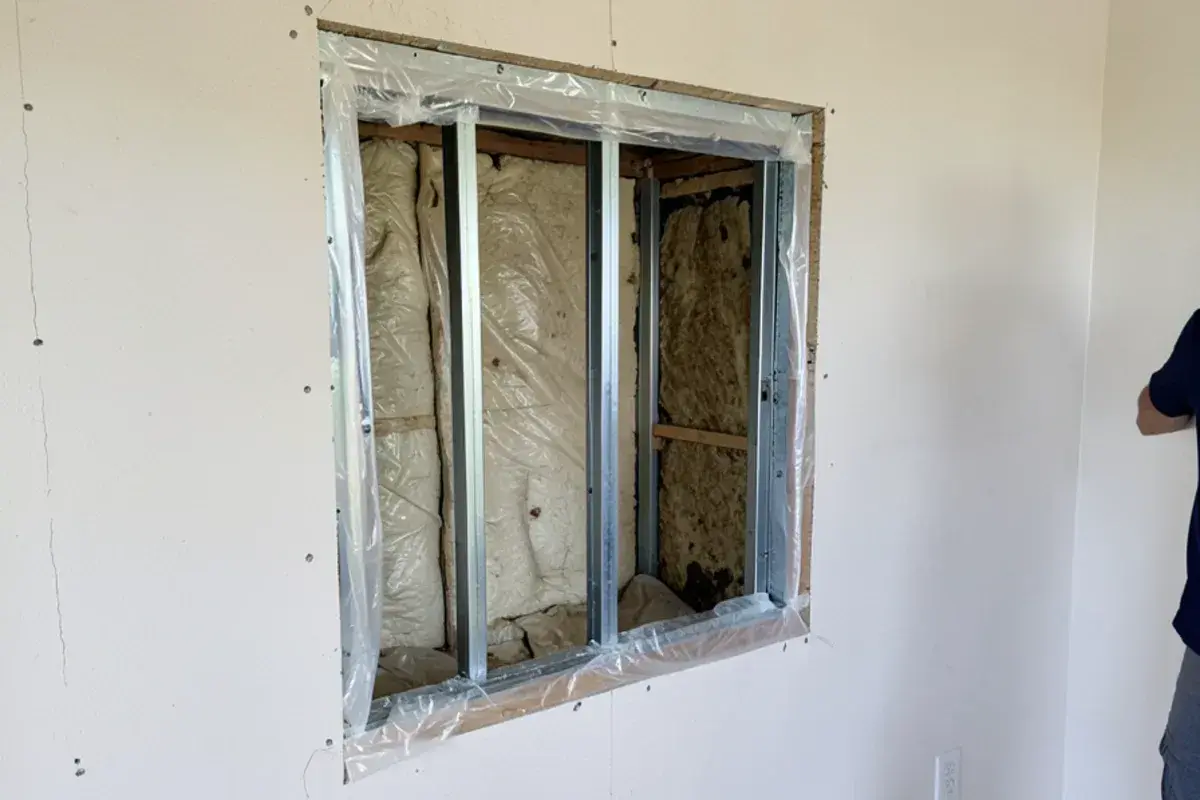
Those unit-owner items count when they sit inside the unit and serve only that unit. The word drywall does not appear, which is why unit owners and associations so often ask about it. Read your own declaration before assuming anything.
Deductibles have a rule as well. Paragraph (j) treats the association's insurance deductibles and damages above its coverage as a common expense, with the exceptions below.
What if someone caused the leak?
Cause can move the bill. Paragraph (j) makes a unit owner responsible for repair costs insurance does not pay when damage results from intentional conduct, negligence or failure to follow the declaration or rules, by the owner or by family, occupants, tenants, guests or invitees. The same paragraph applies to other owners' property.
A leak does not prove negligence. A hose that fails without warning and a tub left running are very different events, and the insurers involved may look into the difference. They also keep their subrogation rights, which means one insurer may seek repayment from another party.
Unit owner policies have their own rules under F.S. 627.714. That section says such policies are excess over any other policy covering the same property, and it requires at least $2,000 in loss assessment coverage. It also says that if the association's policy gives no subrogation rights against unit owners, a unit owner's policy may not give them against the association. Your policy wording and your adjuster decide how any of this applies.
What should each owner do today?
Do these steps today, whoever ends up paying. Waiting for an answer on fault lets the damage grow in both units.
- Stop the water. Close the valve in the upstairs unit, or call the manager to reach a riser.
- Cut power to any wet ceiling fixture at the breaker.
- Call the association manager, and follow up in writing.
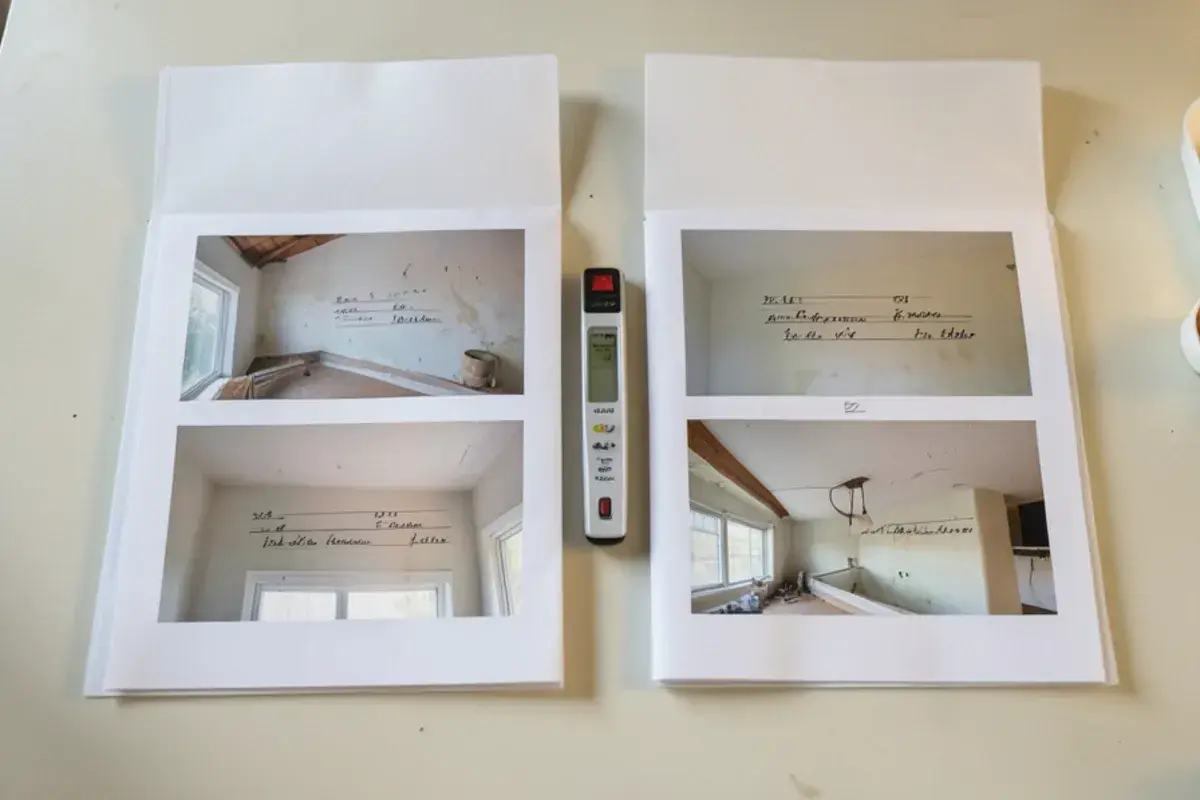
- Photograph ceilings, walls and floors in both units before anything moves.
- Note the date of loss and the cause, if anyone knows it.
- Call your own insurer.
- Get a moisture assessment before repairs begin.
The association has a right of access to units under F.S. 718.111(5), during reasonable hours, when needed to prevent damage to the common elements or a unit, so cooperation at the first call helps everyone.
Report the damage to the association in writing, even if it looks small. The late-reporting rule in the next section is the reason.
Why the documents and insurers have the last word
The statute is a frame, and your community's documents fill it in. The declaration and bylaws set the maintenance duties, and paragraph (j) sends any loss without an insurable event straight to those provisions. Whether a given leak counts as an insurable event is not something we can answer.
Repair work has its own rules. Paragraph (g) says the association undertakes reconstruction after a property loss, with an exception for owner work done with the board's prior written consent. It also lets the association charge costs back to owners for property they must insure.
Subsection (11) applies to every residential condominium whatever the date of its declaration, though not to timeshare condominium associations. Inside it, several provisions can change the picture above:
| Provision | What the statute says | Who can tell you if it applies |
|---|---|---|
| (c) | The board sets the association policy's deductibles | Manager or board |
| (j)4 | The association need not pay as a common expense if a loss was known or should have been known to an owner and went unreported until the association's claim was resolved, or denied as untimely | Association and its attorney |
| (k), (l), (m) | An association may opt out of (j) by a majority of total voting interests, effective when a notice is recorded | Manager or association's attorney |
| (n) | The association need not pay to repair improvements that benefit one unit and were not standard in the original construction | Association and your insurer |
Ask for a copy of the declaration, the bylaws and the association's insurance details from the manager. Those papers will settle more than any general article can.
Who answers which question?
Send each question to the person who can actually answer it. Asking the wrong party costs days, and we are the wrong party for most of this list.
| Your question | Take it to |
|---|---|
| Was this an insurable event? | The association's insurer, through the manager |
| Has our association opted out of paragraph (j)? | The manager or the association's attorney |
| Who maintains this pipe under our declaration? | The manager, with the declaration in hand |
| Will my unit owner policy respond? | Your own insurer, your agent or a licensed public adjuster |
| Am I liable to my neighbor, or are they liable to me? | Your insurer and your own attorney |
| Can I start repairs in my unit? | The board, in writing |
| How far did the water go, and when did it dry? | Us. We can show you that with readings |
If you are filing with your own insurer, our guide to filing a water damage claim covers the steps. Managers will find the planning side in our water loss response plan.
How we document a unit-to-unit leak
Our job in a condo leak is to get things dry and leave a clear record for whoever decides. These are the rules we follow on a condo water damage job:
- We map moisture in every affected unit we can access, plus the units beside and below.
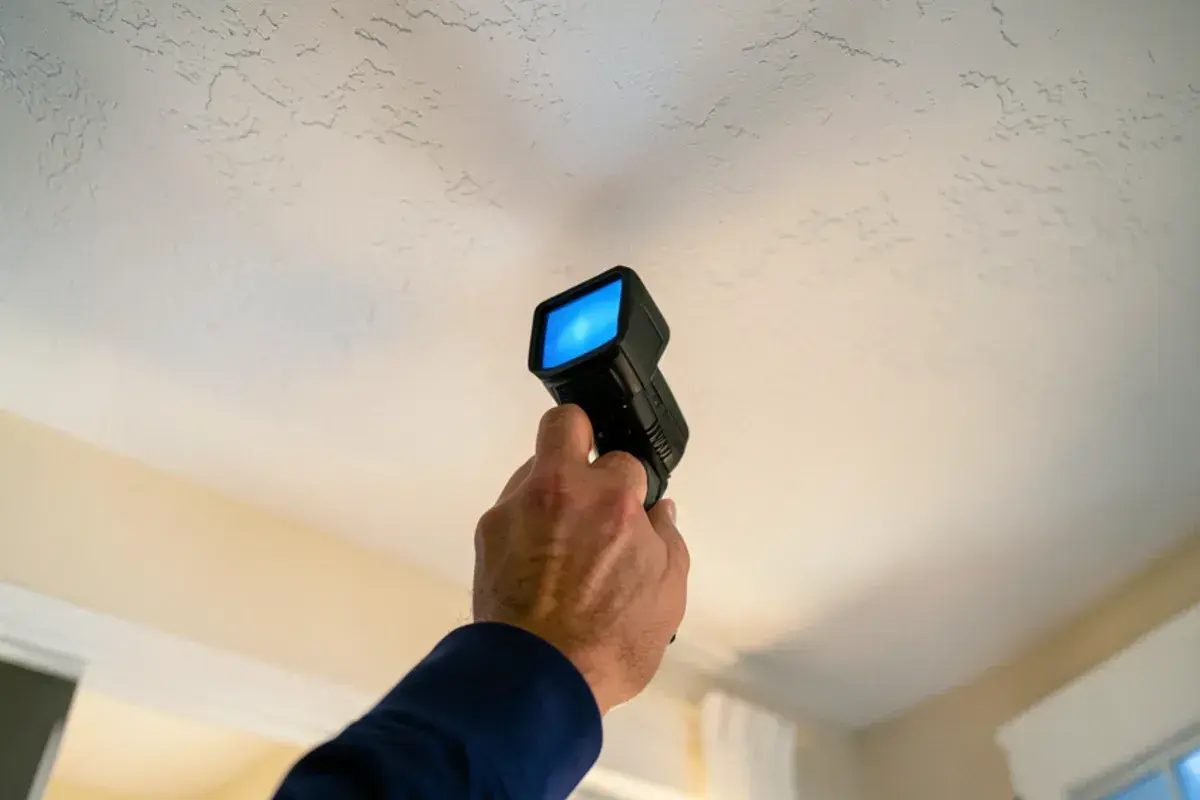
- We trace wet ceilings with thermal imaging before opening anything.
- We photograph before demolition, so the origin stays visible.
- We keep each unit's readings separate, with its own documentation file.
- We give the owner, the manager or both the same facts.
- We stay out of fault and coverage, and explain only our own estimate.
Condo communities like those around World Golf Village share walls and plumbing, so water rarely stops at one unit.
Why drying goes ahead of the fault question
The answer on who pays can take weeks, and wet drywall will not wait for it. Starting has a cost of its own. Someone has to authorize the work before fault is known, and nobody can promise that person will be repaid, so we put the scope in writing and leave that decision with them.
A few habits keep the question open for the people who have to settle it:
- Ask the plumber to keep the failed hose or fitting, bagged and dated.
- Photograph the source before anyone repairs it.
- Tell the manager what is being opened, and in which unit.
- Keep our reports to what was wet and when, since cause and fault belong to others.
Dry it first, and let the right people settle the bill
The statute sets a default, your declaration and any opt-out shape it, and the insurers apply it to your facts. None of that changes what the wet units need today, which is the water stopped, the record started and the drying under way.
If your ceiling is wet or your leak has reached a neighbor, call us now and let the question of who pays follow behind. We will assess the affected units, put the scope in writing for whoever authorizes the work and leave records that all sides can read.
Frequently asked questions
Does the upstairs owner have to pay for damage to my ceiling?
It depends on the cause and your community's documents, because a leak alone does not decide who pays. Florida Statute 718.111(11)(j) makes a unit owner responsible for costs insurance does not pay when damage comes from that owner's negligence, intentional conduct or rule violation, or that of family, tenants or guests. Whether that applies to your leak is a question for the insurers, the association and possibly an attorney, not a contractor.
Is the condo association responsible for drywall?
The statute does not use the word drywall. It requires the association's policy to cover the property as originally installed, then lists exclusions such as floor, wall and ceiling coverings. Unfinished drywall is not on that list, while wall coverings are, and your declaration and the association's insurer decide the actual result. Ask your manager in writing before anyone assumes either way.
Can I hire my own contractor to fix my condo after a leak?
Sometimes, with permission. Under Florida Statute 718.111(11)(g), a unit owner may do reconstruction work on parts of the unit with the board's prior written consent, and the board may set conditions on repair methods, contractor qualifications or the contract. The owner must also get any required permits first. Emergency drying is a different question, so tell the manager what is being done as soon as you can.
Can a condo association opt out of the statute's repair cost rules?
Yes. F.S. 718.111(11)(k) lets an association opt out of paragraph (j) with a majority of the total voting interests, then allocate repair costs as its declaration provides. Paragraph (m) says the decision takes effect when a notice is recorded in the public records, and the association can reverse it by the same vote. Ask your manager or the association's attorney which rule your building follows before relying on anything here.
Two units, one leak? Call us for readings both sides can use.
Open 24 hours for emergencies. Non-emergency calls are best between 7am and 7pm.
- 5.0 on Google, 8 reviews
- Family owned since 2020
- Calls go straight to the owner
- Free assessments and estimates
1 Call Restoration, Saint Augustine, FL. (208) 464-4194.
Related services: Condo and HOA Water Damage, Water Damage Documentation, Ceiling Water Damage. Serving World Golf Village and the rest of our service area.