
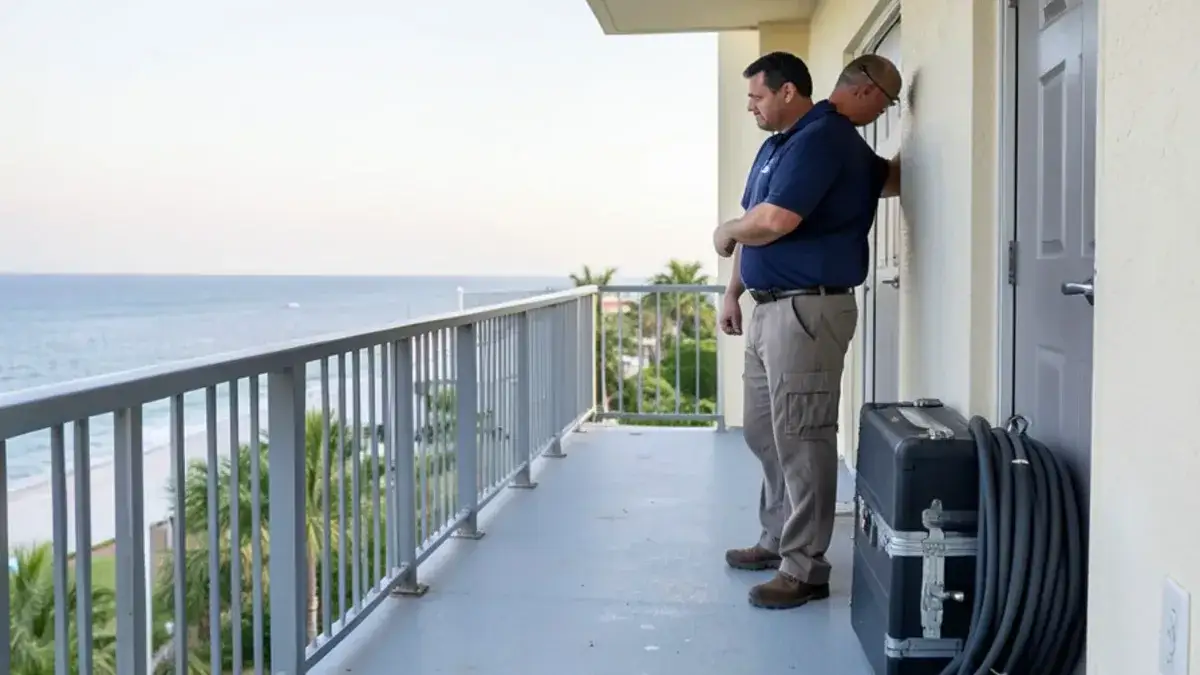
Who Decides What Happens After a Condo Leak?
The association or its manager decides how work on shared property moves forward. We do not choose between an owner and a board, and we do not decide who pays. Our job is to measure, dry and report.
Three parties usually appear on a unit-to-unit leak:
- The manager or board: shared property, access, contractors and building rules.
- The owner of the source unit: the fixture or appliance that failed.
- The owners of the affected units: their finishes and belongings.
Get them talking on day one. A wet wall does not wait for agreement, and mold pressure in Florida humidity is real.
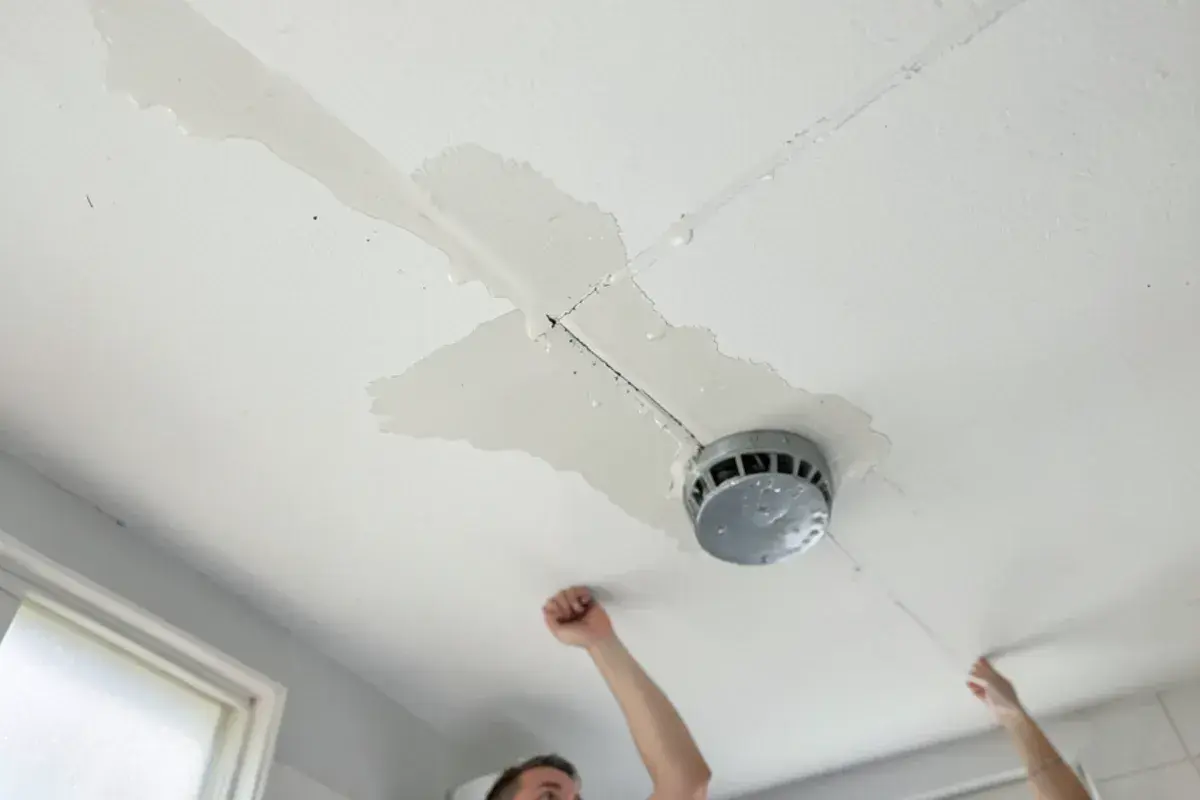
What Florida Law Says About Condo Water Damage
Florida Statute 718.111(11) sets the framework for condominiums. The summary below is attributed to that statute and is general education only. Your declaration, the association's policy, your own policy and your adjuster decide your actual situation.
| Topic | What F.S. 718.111(11) says |
|---|---|
| Association coverage, (f) | Primary coverage for the property as originally installed, or like-kind replacements |
| What that coverage excludes, (f) | Personal property, floor, wall and ceiling coverings, electrical fixtures, appliances, water heaters, water filters, built-in cabinets and countertops, window treatments |
| Those excluded items, (f) | Such property and any insurance on it are the unit owner's responsibility |
| Who does reconstruction, (g) | The association, unless the statute provides otherwise. Owner work needs prior written board consent |
| Insured event, (j) | Association-insured property is repaired by the association as a common expense |
| No insured event, (j) | Repairs follow the declaration or bylaws |
| Owner fault, (j) | An owner can be charged for uninsured costs from negligence, intentional conduct or breaking the declaration, including by family, tenants or guests |
We do not interpret these documents for you. Take questions about them to your manager, the association's attorney, your insurer or a licensed public adjuster. Ask any company for its license number and check it on the DBPR site, ours included.
HOA Homes Are a Different Question
Section 718.111 is a condominium statute. Single-family homes and townhomes in a homeowners association fall under other rules. F.S. Chapter 720 governs homeowners' associations, not those under Chapter 718, and the community's recorded declaration usually sets who maintains what.
In practice, a leak inside a detached home is often the owner's job, while shared amenities and common areas belong to the HOA. Do not assume. Ask your association and read your declaration. We can work for either party, once that is clear.
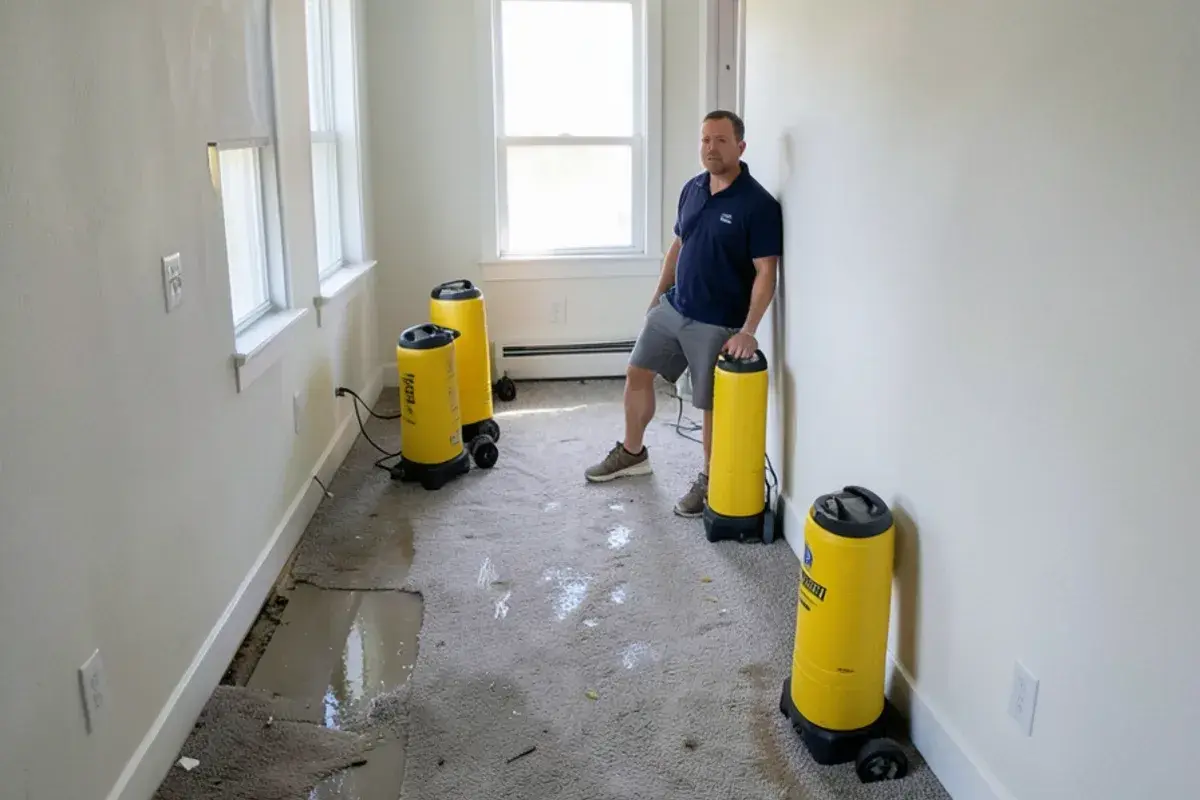
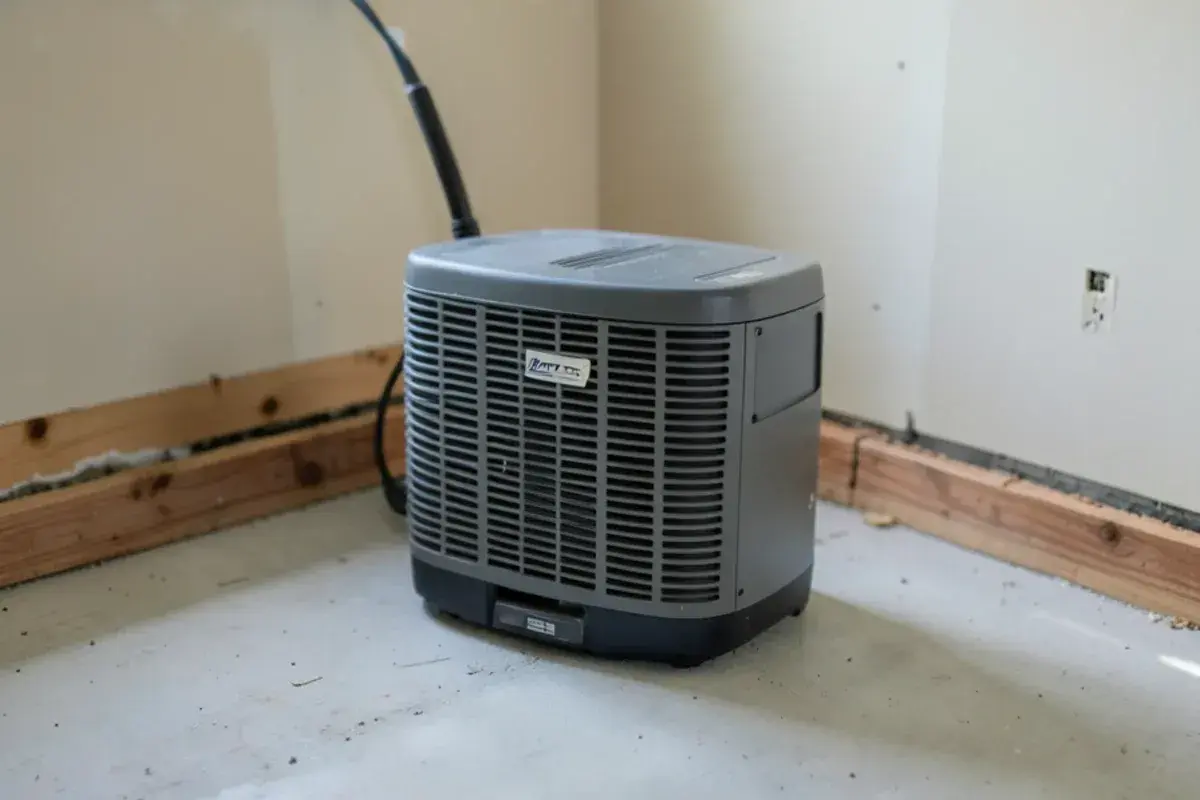
How Do We Trace a Unit-to-Unit Leak?
Follow the water sideways and downward, because it rarely stops at the first stain.
- Confirm the source is stopped, by a plumber if needed.
- Ask the manager to arrange access to the units above, below and beside.
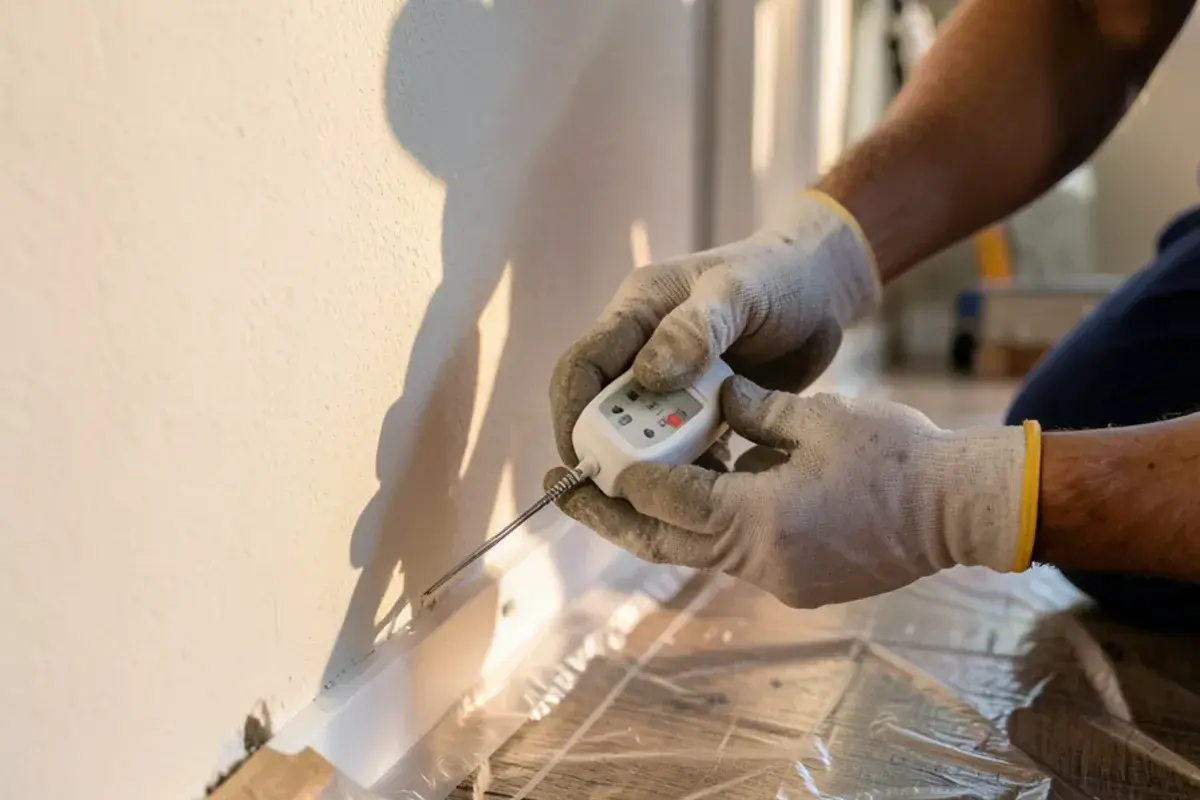
- Scan ceilings and shared walls with thermal imaging, then check suspect materials with moisture meters inside each unit.
- Build a moisture map per unit, plus common corridors and chases.
- Set a dry standard from unaffected material in the same building.
- Share findings with the manager before any demolition.
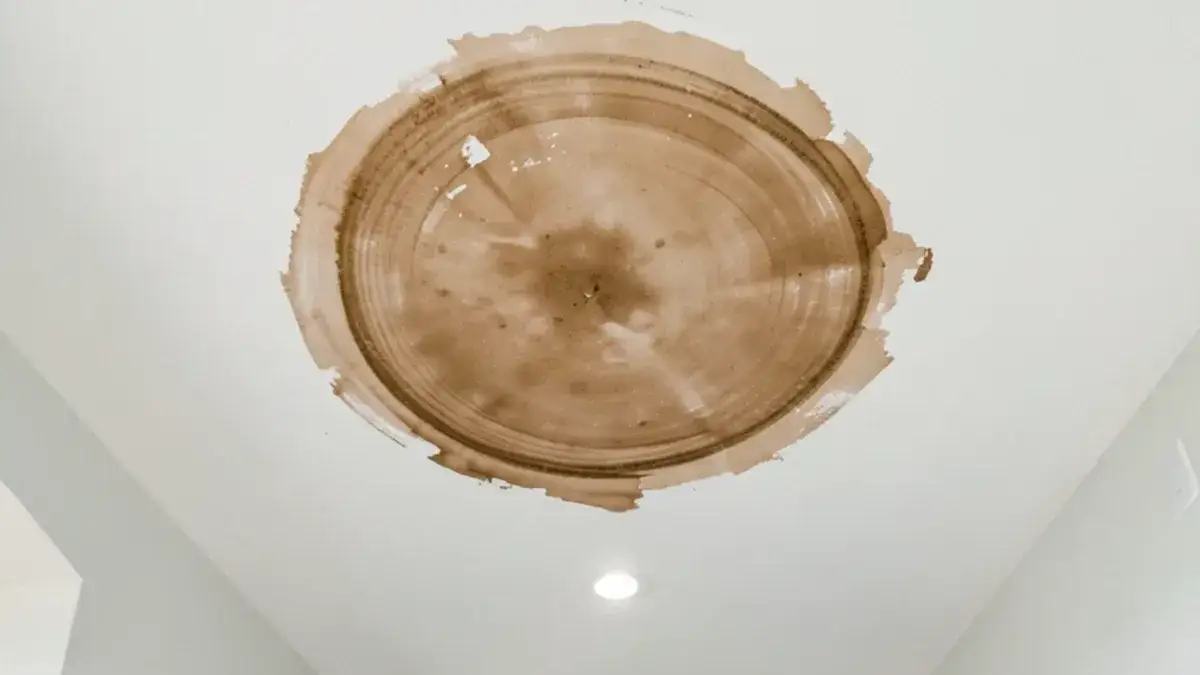
Water coming through a ceiling needs its own plan, and our ceiling water damage page covers it. Access comes through the association: F.S. 718.111(5) gives it a right of entry during reasonable hours for maintenance and to prevent damage.
Where Multi-Unit Leaks Usually Start
Supply lines, water heaters, washer hoses, AC drains and shower pans are the usual sources. Coastal buildings add sliders and balcony doors. Empty units make it worse: Butler Beach counted 44.2 percent of units vacant in 2020, seasonal homes included, so a leak can run until the neighbor below sees the ceiling.
Leak between units? Call us, and bring your manager in.
Open 24 hours for emergencies. Non-emergency calls are best between 7am and 7pm.
- 5.0 on Google, 8 reviews
- Family owned since 2020
- Calls go straight to the owner
- Free assessments and estimates
Request a free estimate
Not an emergency? Send the details and we will call you back. If water is still moving, call instead.
Records for Each Unit and for the Board
Keep each unit's file separate, then give the board a building-level view. One combined file makes it hard for an owner or insurer to see what happened in their own space.
- Photos before demolition, labeled by unit
- A moisture map for every affected unit
- Daily readings, by unit and for shared areas
- Equipment records showing what ran where
- A written scope and itemized estimate, split by unit where that helps
- A note of who gave access and when
We provide records and explain our own estimate to the people entitled to see it. We do not take a side.
What the Drying Job Covers
- Extraction in each affected unit
- Flood cuts where the map calls for them
- Air movers and LGR dehumidifiers, unit by unit
- Containment and HEPA air scrubbers near occupied space
Scheduling Work in an Occupied Building
Agree on the building's rules before equipment arrives. Occupied communities have limits that a single-family home does not.
- Elevator bookings and hallway protection
- Quiet hours for air movers and demolition
- Parking and access for equipment
- Owners who are away, or units let to tenants
- Shared power, since structural drying runs day and night
Tell residents early. Air movers run continuously, and a neighbor who knows why is easier to work beside.
What Moves a Multi-Unit Estimate?
The count of units and the access to them drive the estimate. Assessments and estimates are free, and you will see a written, itemized number before heavy work.
- Number of affected units and common areas
- Whether water reached shared walls and chases
- Water category
- Limits on access or working hours
- Equipment days per unit
- Put-back, which we scope and sequence after drying
Here, long risers mean more chases to trace, and seasonal owners can slow access, adding equipment days.
Why Boards and Managers Call 1 Call
You want a calm contractor who answers the phone and reports facts.
- Direct contact with owner Dal Beggs or his son
- Daily readings shared with your contact
- Written scope before heavy work
- We stay out of coverage and fault
The reviews here are from a customer and a plumbing company we work with. Neither describes a condo job.
What customers say
5.0 stars on Google from 8 reviews. Quoted as written.
“I recently had the pleasure of working with 1 Call Restoration, led by owner Dal, and I couldn’t be more impressed. Dal’s expertise in restoration services is evident from the moment you engage with him; he possesses a deep understanding of the industry and provides practical solutions tailored to individual needs. His professionalism shines through in every interaction, as he maintains clear communication, sets realistic expectations, and follows through on commitments. What truly sets Dal apart is his unwavering trustworthiness—he approaches each project with integrity and transparency, ensuring that clients feel valued and informed throughout the process. I highly recommend 1 Call Restoration for anyone seeking reliable and skilled restoration services.”
“Where a local plumbing company who’s used Dal many times. He’s always been helpful and honest. 1 call is a great asset for our customers!”
We work with communities across six counties, including World Golf Village, Jacksonville Beach, Daytona Beach and Palm Coast. See our commercial restoration overview for other property types.
Frequently asked questions
Who should call you first, the unit owner or the manager?
Either one can call us, but tell your manager right away. If water is moving, we can talk through stopping it first. The association or its manager decides how work on shared property goes ahead, so we want them on the line early. In a building along the beach, that also settles elevator use, parking and access before equipment arrives.
The unit above me leaked. Do you decide who is at fault?
No, we record what happened and leave fault to others. Our moisture map can show where the water traveled and how wet each area was, with dated photos. Your association, the owners and their insurers work out responsibility. F.S. 718.111(11)(j) has language on negligence and costs, and your condominium documents matter too, so take those questions to your manager or an attorney.
Can I hire you directly for work inside my condo unit?
It depends, so talk to your manager before anyone signs for repairs. F.S. 718.111(11)(g) says reconstruction after a property loss is undertaken by the association unless the statute provides otherwise, and an owner needs the board's prior written consent to do that work. Emergency water removal is a different conversation from reconstruction, so call us and bring your manager in straight away.
How do you get into a unit when the owner is away?
The association arranges it, not us. F.S. 718.111(5) gives a condominium association a right of access to units during reasonable hours for maintenance and to prevent damage. We wait for the manager to confirm access, then record who let us in, when, and what we found. A leak behind a shared wall often makes this the first problem to solve.
Is the drywall in my unit the association's responsibility?
It depends on your documents and the facts of the loss, so ask your manager. F.S. 718.111(11)(f) lists what the association's coverage excludes, such as floor, wall and ceiling coverings, and unfinished drywall is not on that list. Your declaration, the association's policy and your own policy still decide. We can show which drywall is wet, not who owns the repair.
Board or manager with a water loss? Call Dal directly.
Open 24 hours for emergencies. Non-emergency calls are best between 7am and 7pm.
- 5.0 on Google, 8 reviews
- Family owned since 2020
- Calls go straight to the owner
- Free assessments and estimates
1 Call Restoration, Saint Augustine, FL. (208) 464-4194.
Related services
Worth reading
Where we handle condo and hoa water damage
See all of our service areas.