
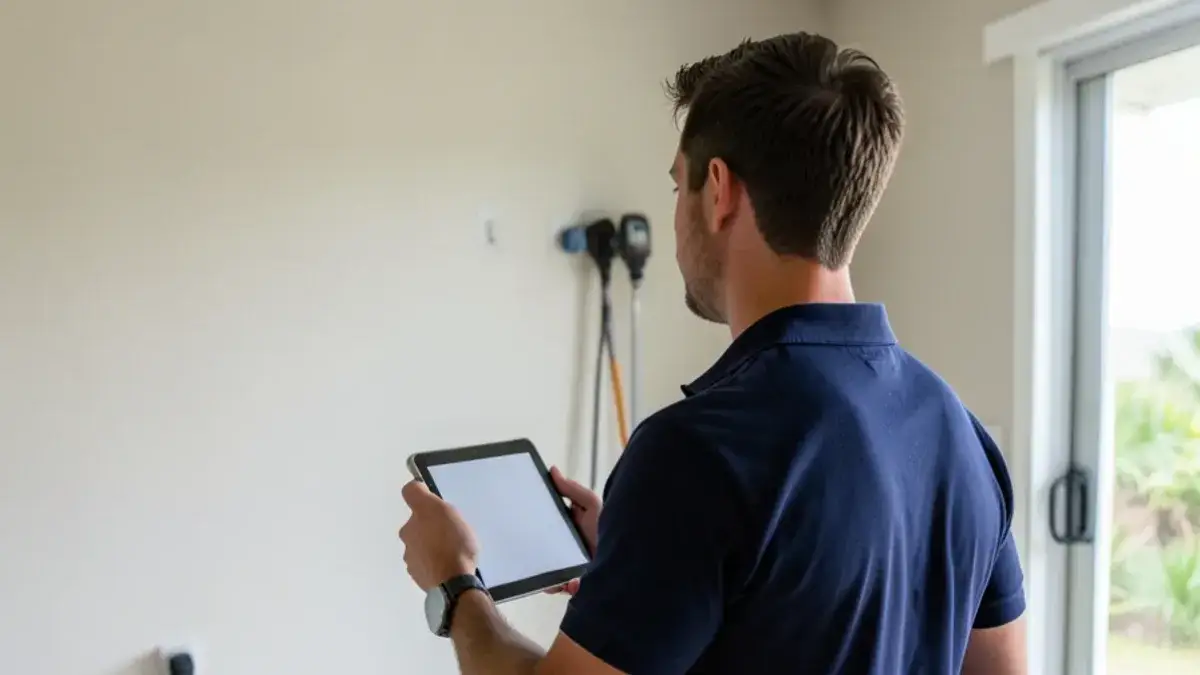
When Do You Need Water Damage Documentation?
Start the record before anything is cleaned or thrown out. Once wet carpet is gone and a wall is open, nobody can show how it looked. These are the situations where a dated file matters most:
- You are thinking about an insurance claim and want the facts on paper.
- A condo leak crosses unit lines and your manager asks for records.
- A new home has moisture problems your builder needs to see.
- A landlord, tenant or buyer wants proof the problem was dried out.
- You simply want to know the job was finished, not just declared finished.
This page covers the records. The legal limits on our role are on the insurance claim help page.
What Goes Into the File
Every record answers one question someone will ask later. This is what we keep and why.
| Record | What it shows | When it is made |
|---|---|---|
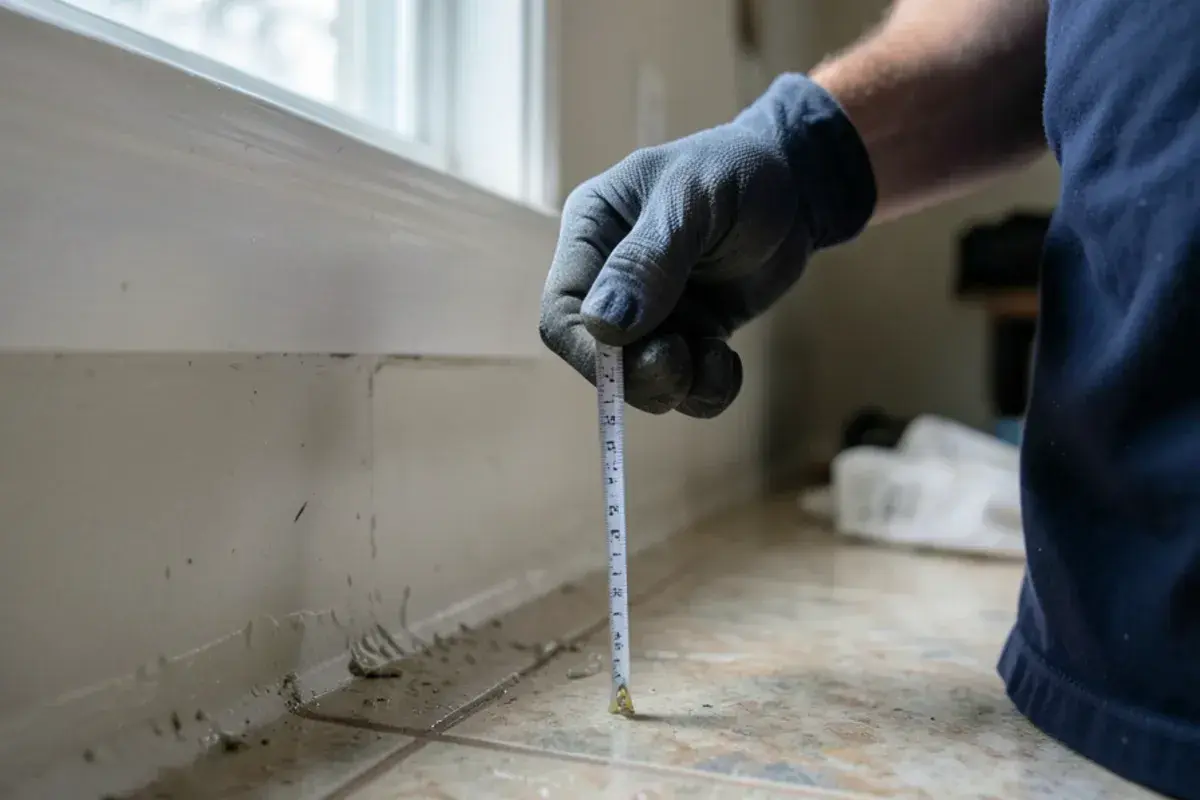
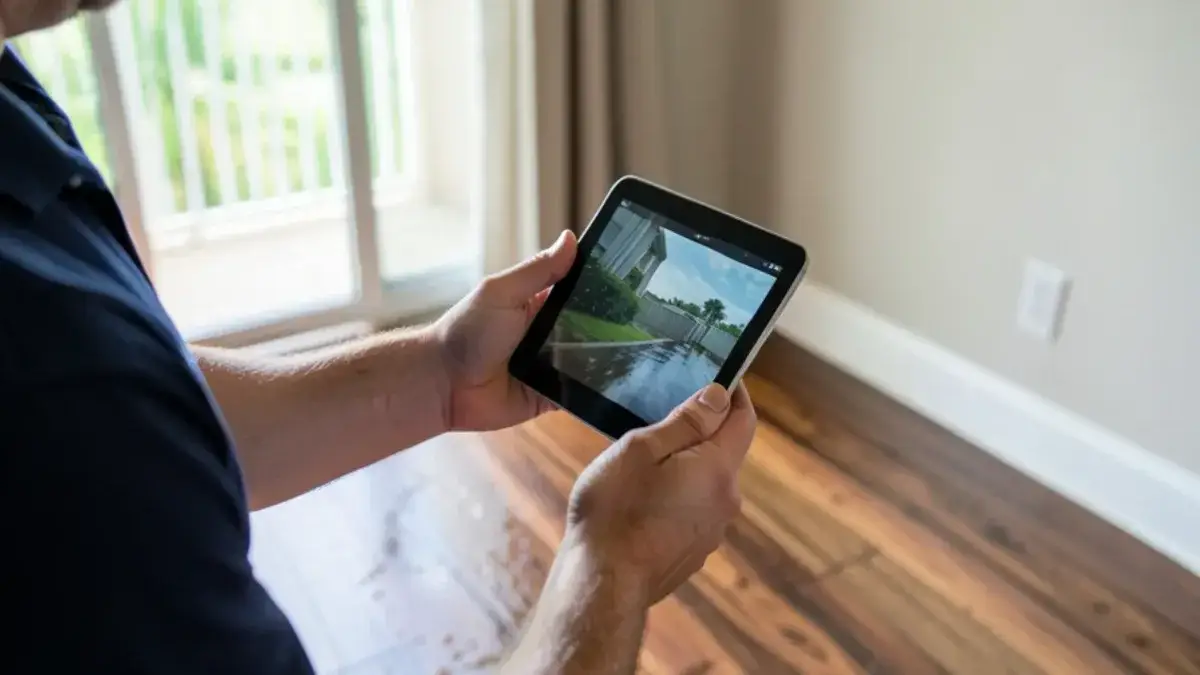
| Photos | The condition before demolition, then each stage | First visit, then through the job |
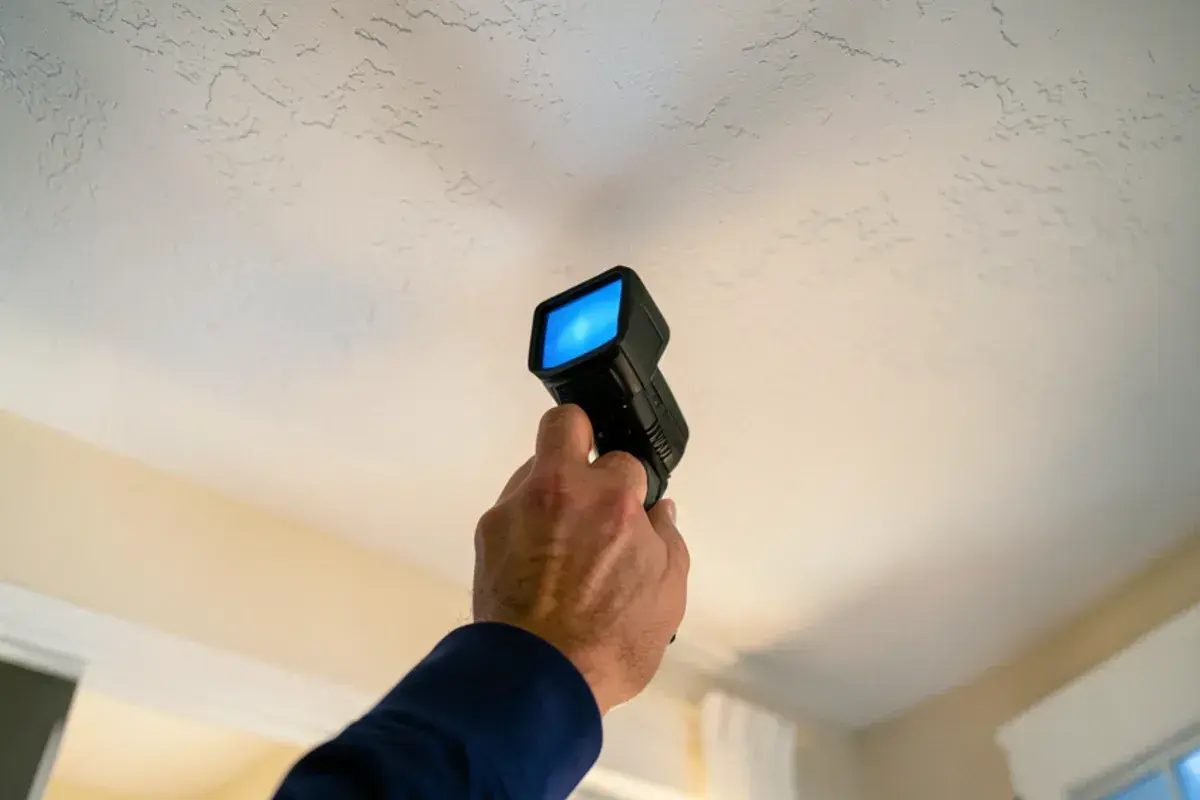
| Thermal images | Cool, wet patches behind finished surfaces | First visit |
| Moisture map | Where each reading point sits, room by room | First visit, updated as drying moves |
| Dry standard reading | The level of unaffected material in the same home | First visit |
| Daily moisture logs | The reading at each point, by date | Each day of drying |
| Equipment records | What ran, where and for how many days | Placement through removal |
| Written scope | What we plan to remove and dry, and why | Before heavy work |
| Itemized estimate | Each line of the cost | Before heavy work |
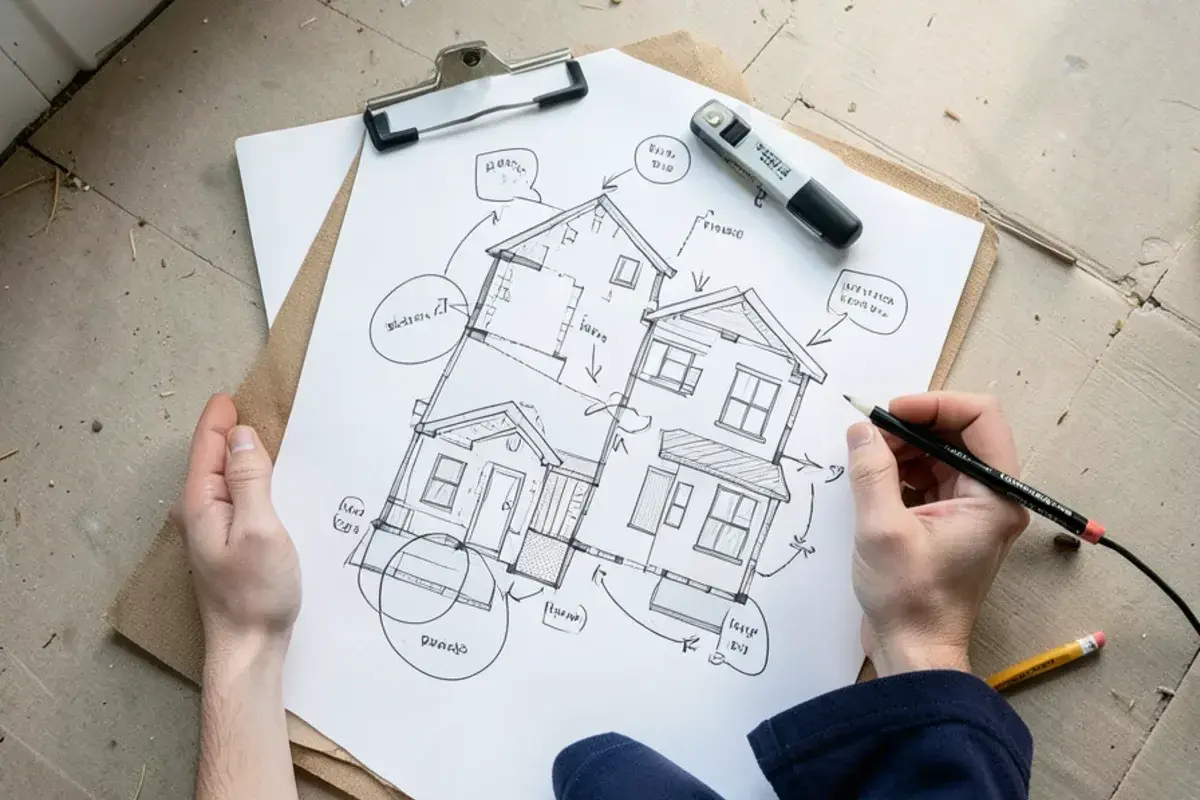
We also note the water category, Category 1, 2 or 3, because it explains why some materials stayed and others left. Areas we checked and found dry stay on the map too, showing what sat outside the scope.
What the File Does Not Do
The file proves conditions and work. It does not settle what anyone owes.
- It does not say what your policy covers.
- It does not promise payment from anyone.
- It is not a mold test.
- It does not replace your own notice to your insurer.
How We Build the Record, Step by Step
The file follows the job. Nothing gets reconstructed from memory at the end.
- Note the date of loss and the source, in your words and ours.
- Photograph each affected room before any demolition.
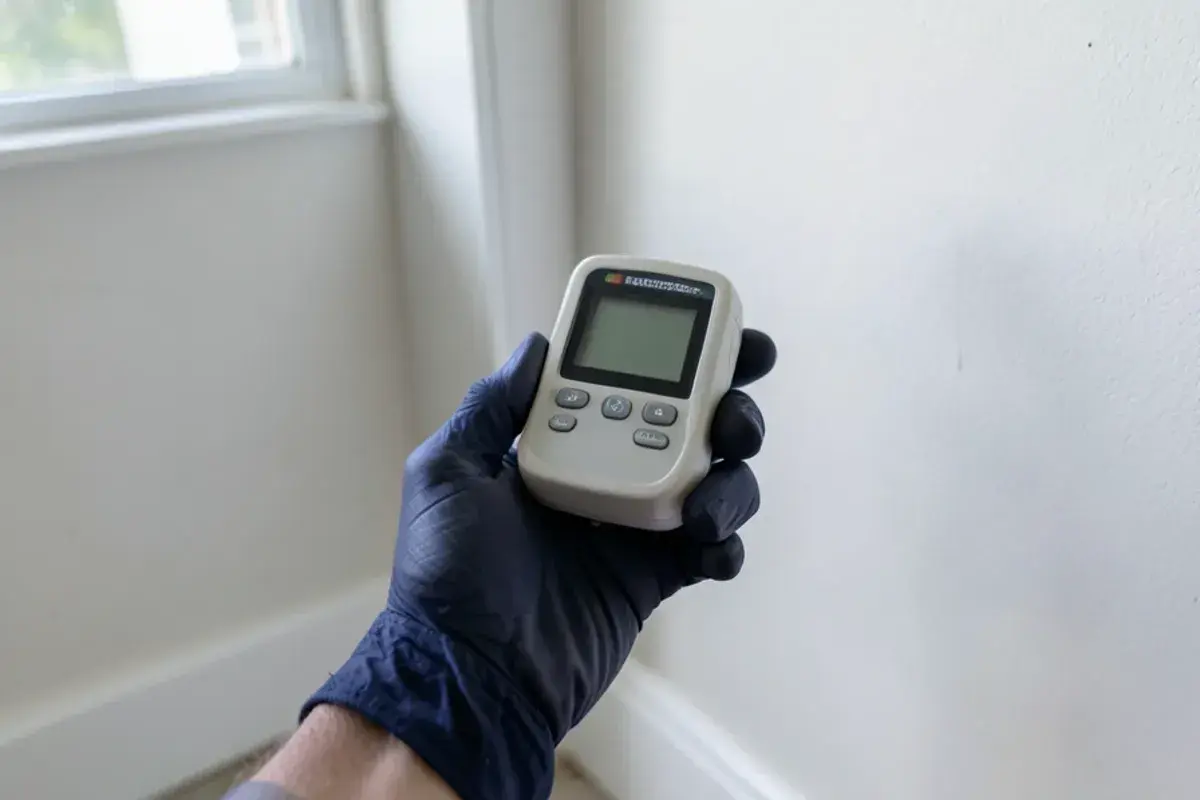
- Scan with thermal imaging, check suspect areas with moisture meters and take dry standard readings from unaffected material in your home.
- Draw the moisture map, mark every reading point, then write the scope and itemized estimate for your approval.
- Log readings daily, in the same spots, with the date of each visit and every change to the air movers, LGR dehumidifiers and HEPA air scrubbers.
- Take closing readings and photos when affected materials reach the dry standard.
How Soon Will the Records Be Ready?
Readings and photos build up as the job runs, so you can ask for them at any point. The closing set comes after the last readings match the dry standard, because until then the drying record is not finished.
Humidity is the usual reason a job takes longer than expected here. August is the wettest month in St. Augustine at about 7.4 inches, and the logs will show that slower pace honestly rather than hiding it.
Before you throw anything out, get the damage on record.
Open 24 hours for emergencies. Non-emergency calls are best between 7am and 7pm.
- 5.0 on Google, 8 reviews
- Family owned since 2020
- Calls go straight to the owner
- Free assessments and estimates
Request a free estimate
Not an emergency? Send the details and we will call you back. If water is still moving, call instead.
What If the Readings Stall or Hidden Damage Turns Up?
We put the change in writing before the work changes. A wall that stops dropping, a wet subfloor under tile or a cavity that needs a flood cut goes into the record with photos and a revised scope.
Some findings leave our hands:
- Visible mold: we record what is showing. Sampling and formal assessment belong to an independent licensed mold assessor.
- Structural concerns: a suitable licensed contractor evaluates them.
- A source we did not stop: a plumber or roofer repairs it, and we note it in the file.
Who Pays for Documentation and the Work?
The records come with the job, and the job is yours to approve or decline. Our assessment and estimate are free. Whether anyone reimburses you is a question for your insurer, builder or association, and we do not predict the answer.
The estimate lines track the same things the records prove: the affected area, the water category, equipment days, demolition and any put-back. That is why the two should match. If a line has no record behind it, ask why.
Local conditions show up in those lines. Block walls and slabs can dry slowly in St. Augustine, adding equipment days to the log. Category 3 tide water from the Matanzas River adds removal lines and the photos behind them.
What Florida Law Says About These Records
Two statutes shape this work. F.S. 489.147 requires a good faith, itemized and detailed estimate when an agreement authorizes repairs under a property insurance claim. F.S. 626.854 treats preparing, completing or filing a claim for pay as public adjuster work.
So we record and explain. We do not assemble your claim, argue it or file it. The reference for this kind of drying is ANSI/IICRC S500, a consensus standard rather than a law.
F.S. 627.70132 sets notice of a claim within 1 year of the date of loss and a supplemental claim within 18 months, and for hurricanes the date of loss is landfall. Ask your insurer how those dates apply. Ask any company for its license number and check it on the DBPR site, ours included.
Why Use 1 Call for Your Job Record
Pick a crew that writes things down while the job is running.
- Moisture readings every day, not only at the start and end.
- Photos before demolition, every time.
- A written scope before heavy work begins.
- Your questions reach the owner, Dal Beggs, or his son.
- Family owned since 2020.
What customers say
5.0 stars on Google from 8 reviews. Quoted as written.
“Highly recommend Dal and his team at 1 Call Restoration - great locally owned company. We had a pipe burst that flooded parts of our home - it was such a stressful situation for our family. Dal and his team were amazing through the whole process. They helped us get everything cleaned up and even helped us as we worked with our insurance. Super thankful for their expertise, quality work, responsiveness, and professionalism.”
“Dal with 1 Call Restoration is fantastic. Him and his son do a great job. I had a ton of issues with my DR Horton home. They came in, listened to my issues, took them seriously and made sure I was fully taken care of. Issues that DR Horton tried to say weren’t present Dal showed them they were. I’d use Dal again for issues outside of DR Horton warranty claims if I needed. Thank you Dal for everything!”
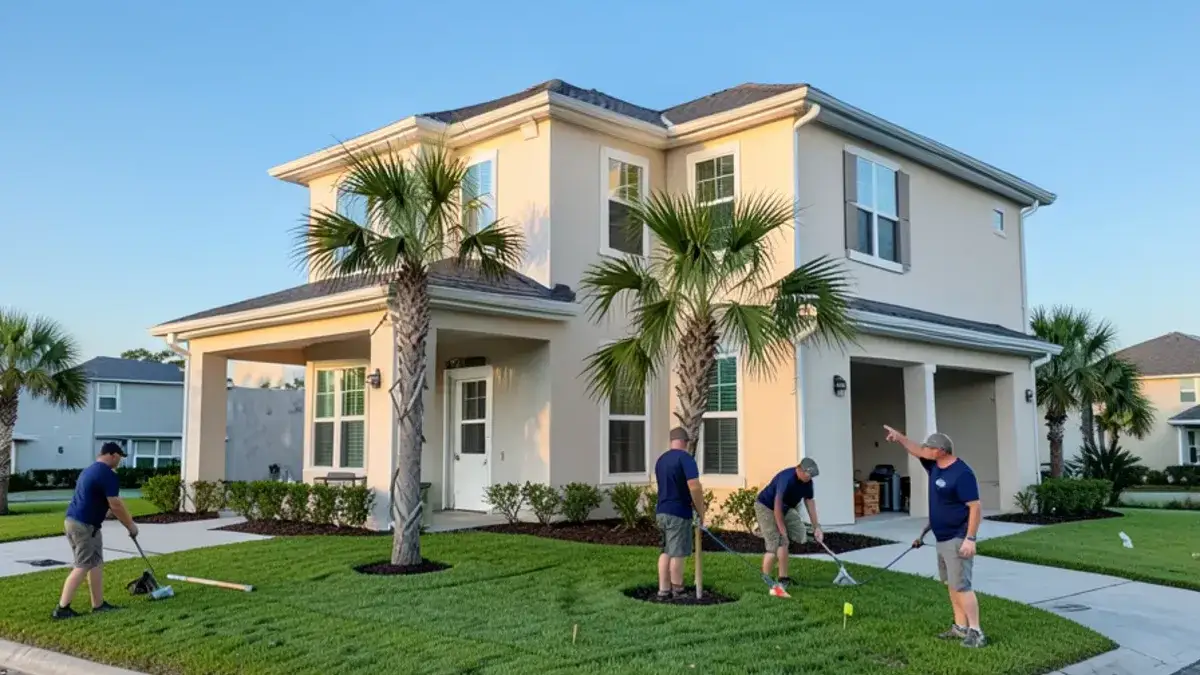
We cover six Northeast Florida counties, including Nocatee and St. Johns, where newer homes bring builder questions, plus Butler Beach and Jacksonville Beach. The same record supports structural drying wherever we run it.
Frequently asked questions
What photos should I take before the crew gets there?
Start wide, then go close. Shoot each room from the doorway, then the waterline, wet baseboards, ceiling stains and the source if you can reach it safely. Include damaged belongings before you move them. Keep the originals on your phone so the dates stay attached. Stay out of standing water near outlets, and leave any photo that requires it to us.
Can I get copies of the moisture logs during the job?
Yes, the readings are part of your job record, so ask for them as they are taken. Each entry shows the date, the spot on the moisture map and the reading against the dry standard. Reading along lets you see whether a wall is falling toward dry or stuck, and it gives you the same numbers anyone reviewing the job would see.
What does an equipment record actually show?
It shows which machines ran, in which room, and for how many days. Each air mover, LGR dehumidifier and HEPA air scrubber is listed when it is placed and when it is pulled. Because equipment days are a line on the estimate, the record lets anyone trace that line back to what actually happened on site, room by room.
Is a moisture log the same thing as a mold test?
No, a moisture log measures water in materials and says nothing about what is growing on them. We find moisture and scope visible growth. Lab sampling and formal mold assessment come from an independent licensed mold assessor, which keeps the testing separate from the company doing the cleanup. Florida's rules on that split are in F.S. 468.8419.
Does an itemized estimate tell me what my insurer will pay?
No, it tells you what our work costs, line by line, and nothing about your claim. Your policy wording and your adjuster decide what is paid. If your adjuster wants to know how we built a line, such as the equipment days for a hallway, we will explain it. Questions about coverage go to your insurer, a licensed public adjuster or an attorney.
Want a dated record of the water damage? Call Dal directly.
Open 24 hours for emergencies. Non-emergency calls are best between 7am and 7pm.
- 5.0 on Google, 8 reviews
- Family owned since 2020
- Calls go straight to the owner
- Free assessments and estimates
1 Call Restoration, Saint Augustine, FL. (208) 464-4194.
Related services
Worth reading
Where we handle water damage documentation
See all of our service areas.