
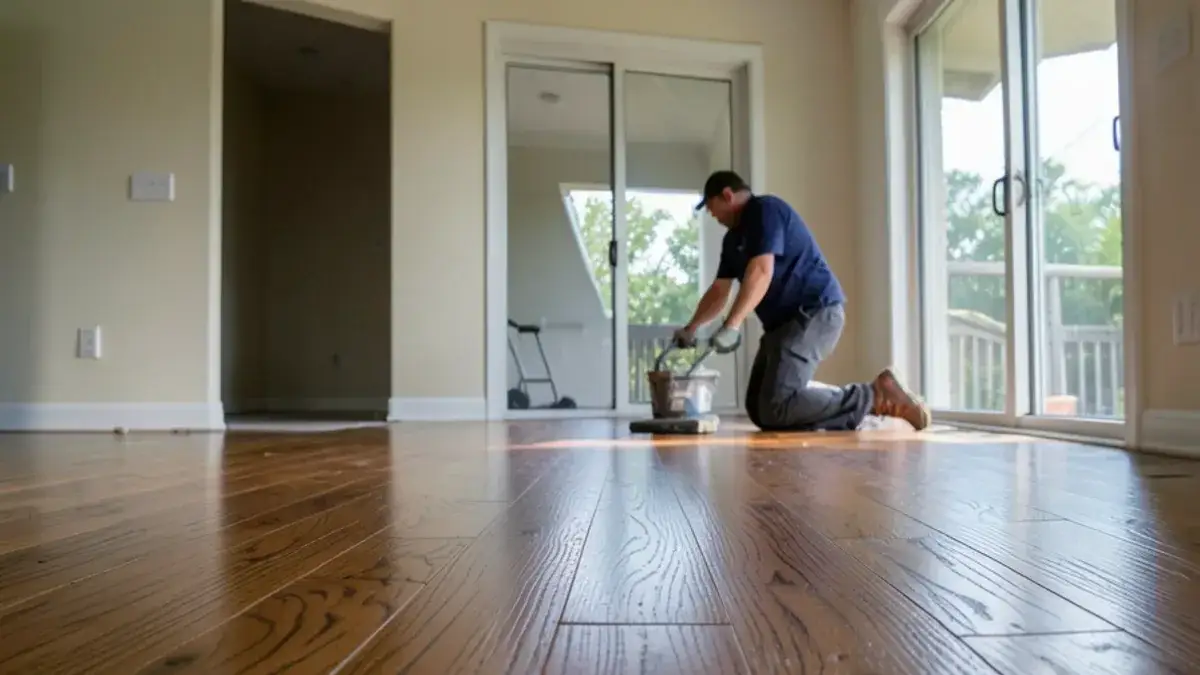
Read Your Floor: Cupping, Crowning and Buckling
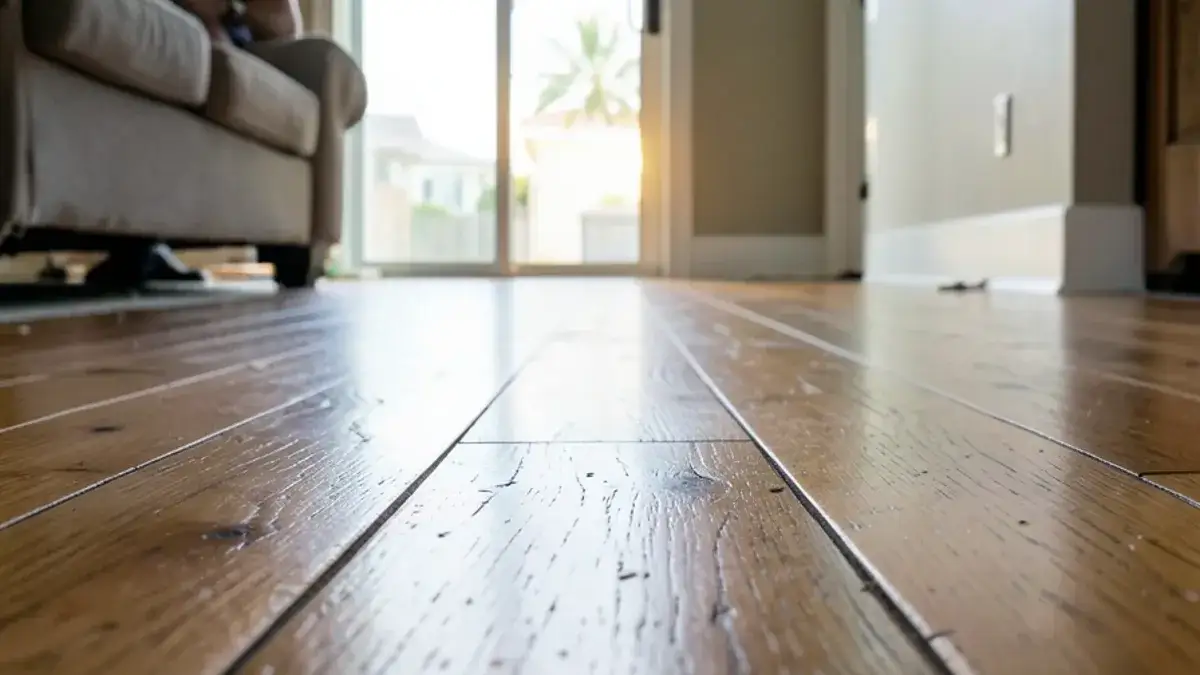
The shape of the board tells you how the moisture moved. Learn these three and you will understand most of what happens next.
| What you see | What is happening | What it usually means |
|---|---|---|
| Cupping | Edges higher than centers, because the underside is wetter | Often recoverable if the moisture is removed |
| Crowning | Centers higher than edges | Often from sanding too soon, or drying from the top |
| Buckling | Boards lift off the subfloor | Severe, and replacement usually follows |
| Dark seams or black lines | Water sitting in joints, staining the wood | Sand-out may not remove it |
Do not sand, refinish or nail anything yet. Boards keep moving while moisture is leaving them, so anything you do now may have to be undone.
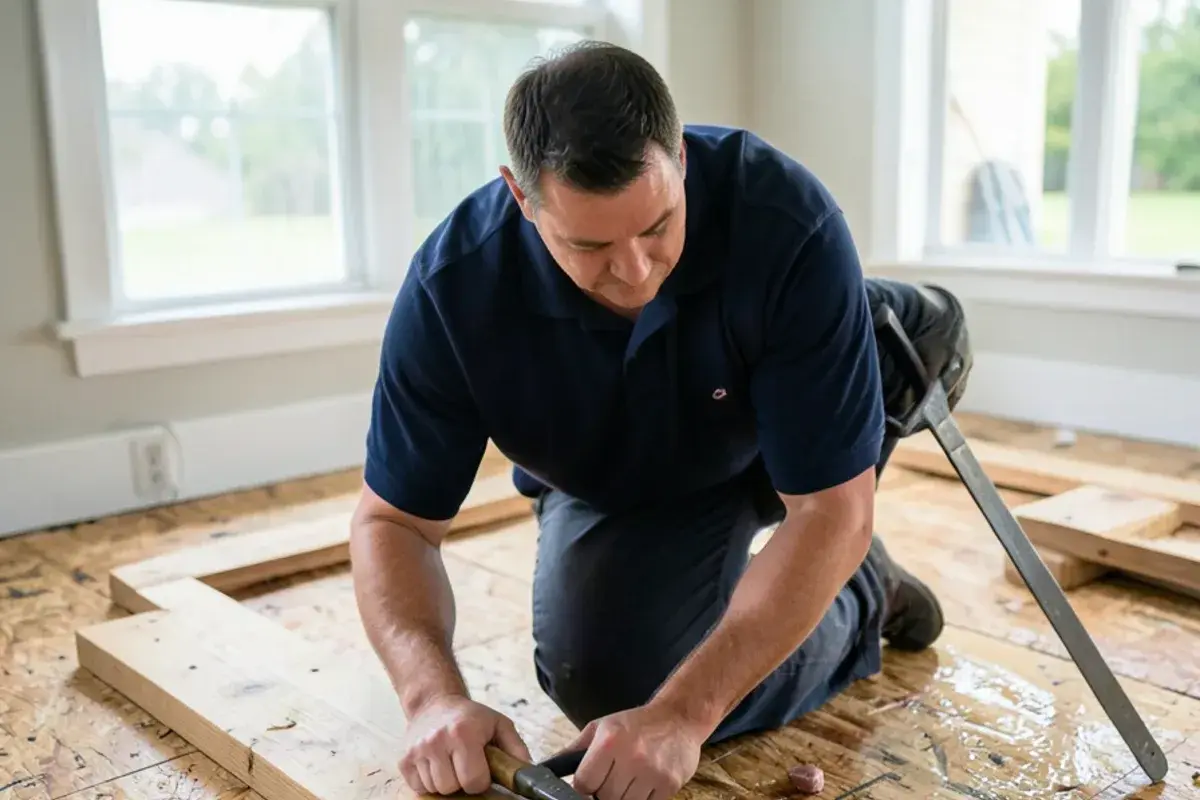
What Hardwood Floor Water Damage Work Includes
We measure the floor, dry it slowly and tell you what the readings support. That covers the boards and whatever sits beneath them, because a dry-looking board over a wet slab is still a wet floor.
Most of the attention goes to the subfloor. Surface water comes off on the first visit, but water held in plywood, an old plank subfloor or a slab keeps feeding the boards from below. The top of the floor can look better for a while, then move again. So we read both layers at every visit and compare them with wood in a room the water never reached.
You get a straight answer either way. If the boards can dry, we scope the drying. If they cannot, we photograph them and plan what replaces them.
- Extraction of surface water, plus wet rugs and pad nearby
- Pin and pinless readings on boards, subfloor or slab
- Thermal imaging to find the edge of the wet area
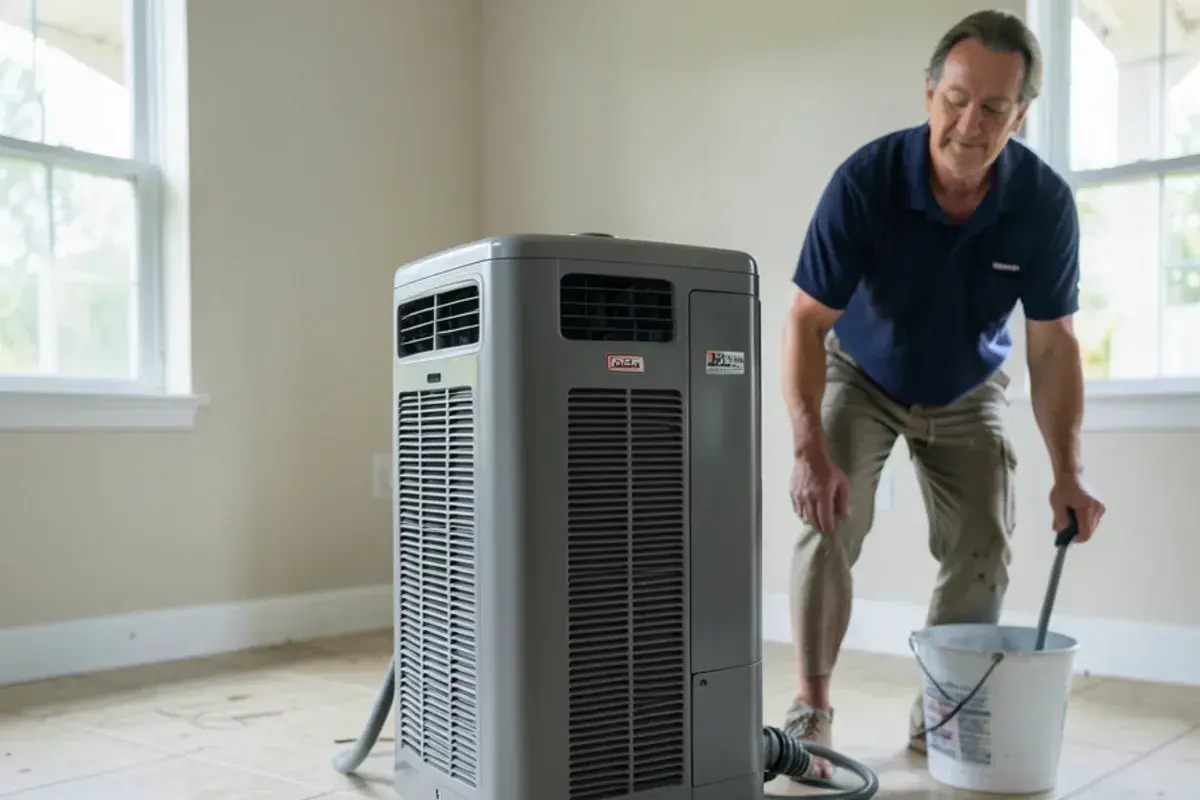
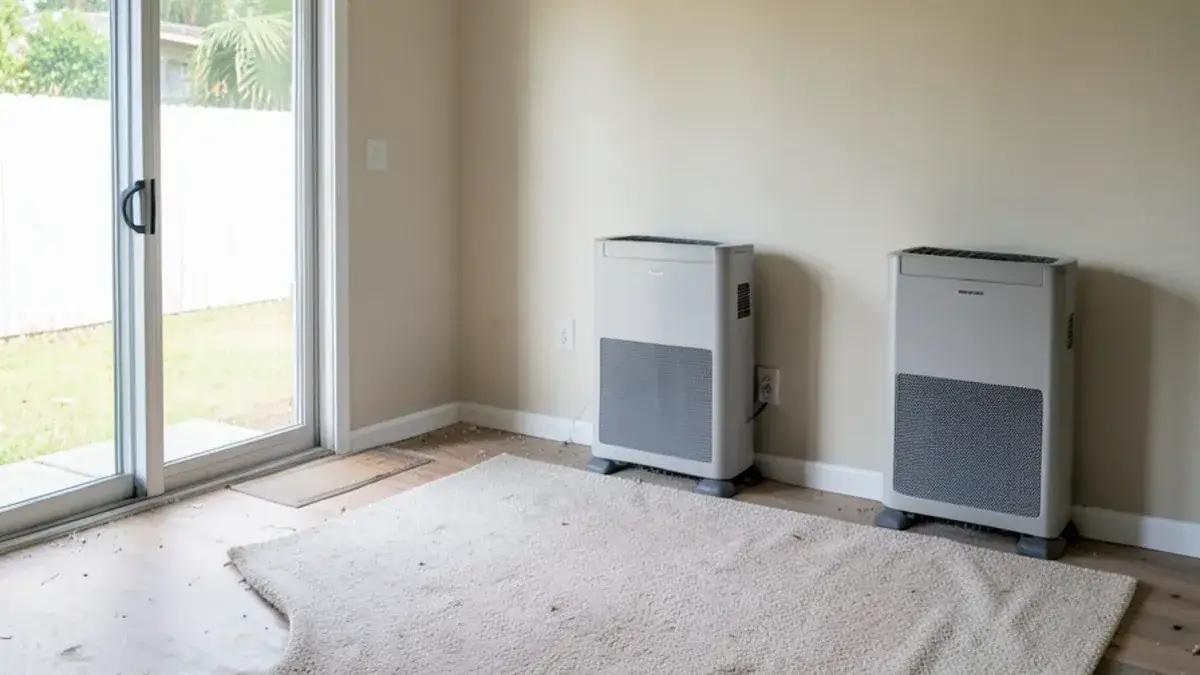
- LGR dehumidifiers and air movers in a closed room
- A daily moisture log your floor finisher can work from
Why Wood Floors Struggle in a Humid Climate
Wood gains and loses moisture with the air around it, and our air is rarely dry. In St. Augustine, heavy summer humidity and about 116 rain days a year give a wet floor little chance to recover without help. Wood floors also meet different problems here than they would up north.
- Slab homes: many of our homes sit on concrete, and a wet slab keeps feeding the boards above
- Raised floors: older homes with crawl spaces can take on moisture from below, a concern we cover on our attic and crawl space mold page
- Appliances and pipes: a slow leak near the kitchen, covered on our appliance leak water damage page, can run well into a wood floor
- Sliding doors: storm-driven rain can get in along the threshold and spread under the boards
The source always comes first, because a wet subfloor will keep pushing moisture into any floor you try to save.
Can Your Wet Wood Floor Be Dried in Place?
Often it can, and that decision comes down to floor type, how long it stayed wet and what is underneath. We read all three before recommending anything, since most homeowners want to keep the floor they already love.
How each floor type responds
| Floor type | Drying outlook | Sanding afterward |
|---|---|---|
| Solid hardwood | Good if treated early | Yes, after the boards settle |
| Engineered wood | Fair, core can delaminate | Limited by wear layer |
| Laminate | Poor, core swells | No |
| Vinyl plank | Plank survives, water hides beneath | No |
| Wood over slab | Fair, slab may hold moisture | Depends on the slab |
| Wood over plywood | Good, can be dried from below if accessible | Yes |
What the trade-offs look like
Drying in place keeps your floor but takes patience. The EPA says to remove moisture from wood floors immediately, using dehumidifiers, gentle heat and fans, with caution on heat around hardwood. We go gently, and we would rather take longer than dry the top of the board faster than the bottom.
Lifting a few rows opens the subfloor and speeds things along, but it leaves repair lines. Full replacement ends the uncertainty and costs the most. If water was contaminated, porous flooring usually leaves regardless.
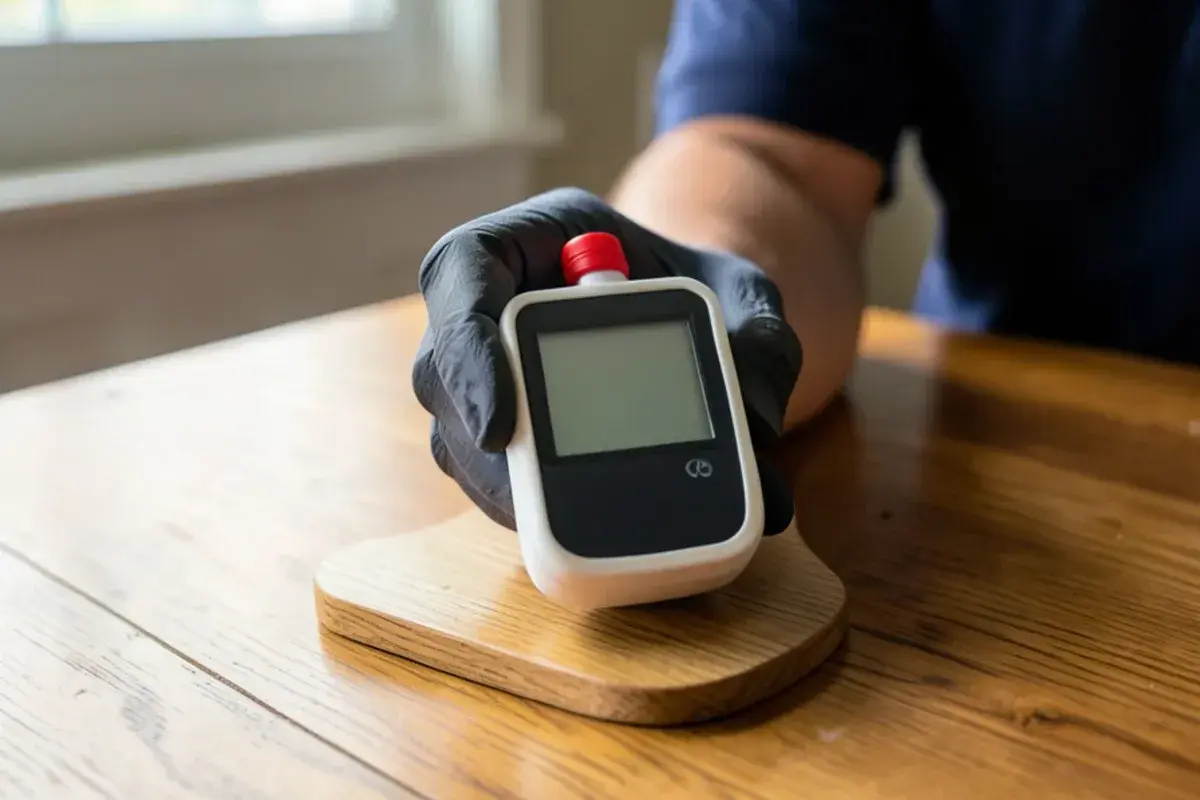
Boards starting to cup? Get them metered before they set.
Open 24 hours for emergencies. Non-emergency calls are best between 7am and 7pm.
- 5.0 on Google, 8 reviews
- Family owned since 2020
- Calls go straight to the owner
- Free assessments and estimates
Request a free estimate
Not an emergency? Send the details and we will call you back. If water is still moving, call instead.
How a Hardwood Drying Job Runs
Wood work is slow by nature, so we plan the job around the readings, not around a date.
- Confirm the leak is stopped, photograph the floor as found and take reference readings from wood in an unaffected room.
- Meter the boards, then the subfloor or slab where we can reach it, and map the wet area, including under cabinets and into closets.
- Talk through options, then give you a written scope and estimate.
- Extract surface water and remove wet rugs or pad nearby.
- Set LGR dehumidifiers and aim air movers across the floor, not directly at it.
- Log readings daily, adjust the airflow as boards respond and hand over the final log, with wood and subfloor readings together.
When Can the Floor Be Sanded or Replaced?
Wait until the boards stop moving and the readings say so. Wood Floor Business, the trade magazine, warns that sanding a cupped floor before it returns to a normal moisture content can leave it crowned once it finishes drying. That mistake is expensive, and it cannot be undone.
Wood moves slower than walls. A floor can take longer to settle than the room around it, so the rest of your drying equipment may leave before a finisher should arrive. We hand you the moisture log so the finisher starts from numbers. Sometimes the floor settles enough that refinishing is all it needs.
If it does need replacing, we scope and sequence flooring replacement with the rest of the put-back. New wood also needs time to acclimate to the room before it is fastened down, so plan on that.
Also keep your humidity steady. The AC should run normally once drying ends, because the same air that dried the floor keeps it stable.
Permits, old flooring and who checks the license
Floor coverings rarely reach the permit desk, but what lies under them can. The City of St. Augustine's storm guide lists replacing floor coverings and removing wet materials as work with no permit. Structural repair of joists or framing is different, and the City's under-$7,500 single-family exemption does not reach structural or flood hazard area projects. Outside city limits, St. Johns County says the owner must find out whether a permit applies.
Old layers need care too. EPA and CPSC note that vinyl tile, sheet flooring backing and adhesive in older homes may contain asbestos, so nothing gets sanded until you know what it is. Ask any company for its license number and check it on the DBPR site, ours included.
What Makes Hardwood Floor Repair Cost More or Less?
The floor's construction and continuity move the number most. Your assessment and estimate are free, and we will tell you if replacing makes more sense than drying.
- Floor type: solid, engineered, laminate or vinyl
- Subfloor: slab, plywood or an old plank subfloor
- Run of the floor: does the same floor continue through the house?
- Finish: site-finished floors can blend, while prefinished ones may not
- Equipment days: wood dries slowly, so machines may stay longer
- Water category: clean supply water can dry in place, while Category 3 water usually takes porous flooring with it
Two St. Augustine details change the sums. In a block home on a slab, the concrete can hold water after the boards stop reading wet, which adds equipment days and pushes the finisher back. In an older raised home, we may reach the subfloor from the crawl space and spare boards that would otherwise come up.
Summer counts as well. August is our wettest month, so the same floor can need more dehumidifier time than it would in a drier stretch. Sanding, refinishing and new boards sit on their own lines, so you can compare drying against replacing with both numbers in front of you.
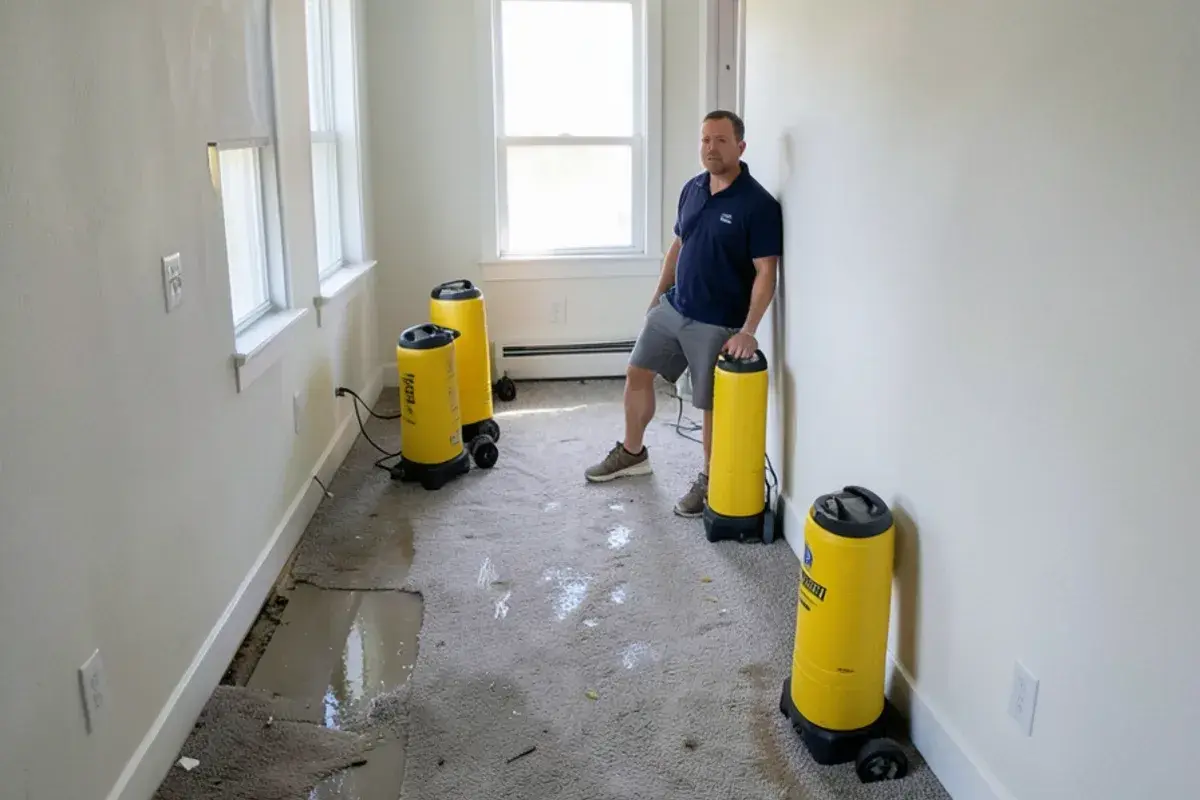
Why Call 1 Call Before You Call a Floor Sander
Nothing good comes from sanding a wet floor. We can read it first, and the reading is free.
- Family owned, founded in 2020, run by owner Dal Beggs with his son
- We tell you when a floor is past saving, and why
- Daily readings on wood and subfloor, shown to you at every visit
- An honest estimate without the high-pressure sales
- Calls that go straight to the owner, any time for an emergency
High-value finishes in Ponte Vedra Beach, mature homes in Fruit Cove and newer builds in Nocatee all fall in our area, along with the rest of St. Johns County and the five counties around it.
What customers say
5.0 stars on Google from 8 reviews. Quoted as written.
“I needed a second opinion on my water damage cleanup but about 5 minutes after Dal showed up I realized I should have contacted 1 Call FIRST. They immediately got to work drying out my house and explained everything so well which helped relieve so much of the anxiety I was feeling. The communication and work was all top notch. HIGHLY RECOMMEND!”
“Dal and his son are so compassionate and truly care about the human and do everything in their power to help your house back to normal. They were punctual and even showed back up to the house with any questions etc, I was very pleased with them and would recommend them to anyone who wants someone honest in this industry that unfortunately doesn’t have many honest companies in it. Dal and his crew have a customer life with us anytime we need their services.”
“Highly recommend Dal and his team at 1 Call Restoration - great locally owned company. We had a pipe burst that flooded parts of our home - it was such a stressful situation for our family. Dal and his team were amazing through the whole process. They helped us get everything cleaned up and even helped us as we worked with our insurance. Super thankful for their expertise, quality work, responsiveness, and professionalism.”
Frequently asked questions
How soon can I sand a cupped floor?
Only after the boards have stopped moving and the wood and subfloor readings are back to normal. Trade guidance warns that sanding too soon is the classic cause of a crowned floor, because the high edges get removed and then the board settles. We meter across the room and hand you the numbers, so your floor finisher can judge timing from real data.
Can engineered hardwood be dried like solid wood?
Sometimes, but with less margin. Engineered planks have a thin wood layer over a plywood or composite core, and that core can delaminate when it soaks. A short exposure may dry well. Long exposure usually means the veneer lifts. It also has less wear layer for sanding, so a cupped engineered floor often cannot be refinished the way solid oak can.
What about laminate that got wet?
Laminate usually does not recover, because its fiberboard core swells and stays swollen at the edges. Drying gets the room safe, but those planks generally leave. The useful question becomes what is beneath them. We pull the wet section and check the slab or subfloor, since a dry-looking plank can hide water that is still sitting underneath.
Will replacement boards match my old floor?
Close, but rarely perfect without refinishing. Older boards have aged and colored, and even the same species can read differently under the same stain. A floor finisher can usually blend a repair by sanding and finishing the whole continuous room. We scope that as part of the put-back, so you know the options before any boards leave the house.
How long does a wet hardwood floor take to dry out?
Longer than the walls around it, and we will not quote a day count. A slab or a thick solid plank keeps releasing moisture after nearby drywall reads dry, and August air slows everything. We log wood and subfloor readings daily and stop at the reading of unaffected wood in the same home. Those numbers show whether the floor is still moving.
Why is my floor cupping when I never saw a leak?
Cupping means the bottom of the board is wetter than the top, so moisture is arriving from below or from the air. Common causes include a hidden leak, a wet slab or humidity climbing with the AC off. We meter the boards, the subfloor and nearby walls to find the source first, because refinishing never fixes what is causing the movement.
Find out if your wood floor can be saved.
Open 24 hours for emergencies. Non-emergency calls are best between 7am and 7pm.
- 5.0 on Google, 8 reviews
- Family owned since 2020
- Calls go straight to the owner
- Free assessments and estimates
1 Call Restoration, Saint Augustine, FL. (208) 464-4194.
Related services
Worth reading
Where we handle hardwood floor water damage
See all of our service areas.